Key Points
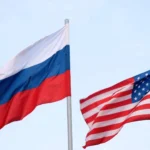
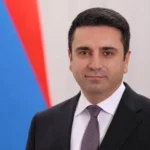
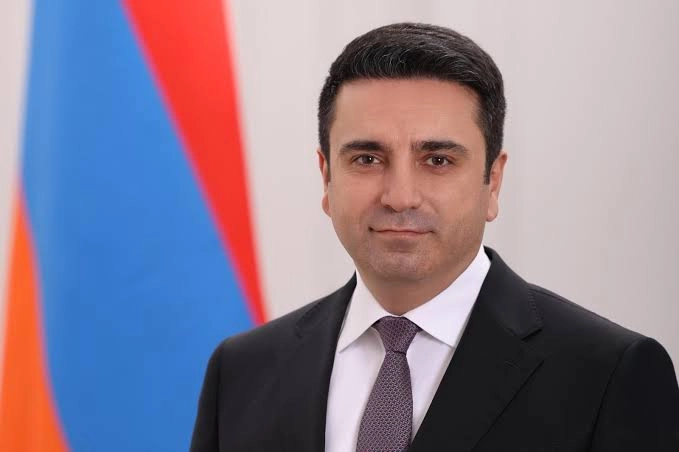
- High-Level Delegation: Armenia’s Security Council Secretary, Alen Simonyan, arrived in the Russian capital to participate in the 14th Meeting of Secretaries of Security Councils of the Commonwealth of Independent States (CIS) Member States.
- Official Announcement: The Security Council Office of the Republic of Armenia confirmed Simonyan’s participation via an official press release as the summit kicked off in Moscow.
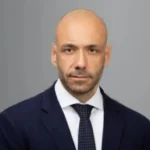
- Delegation Composition: Simonyan is accompanied on the diplomatic mission by Vanik Avetisyan, Head of the Security Council Office, alongside senior advisers Anahit Poghosyan and Ashkhen Hayrapetyan.
- Core Agenda: Security officials from across member nations assembled to evaluate multilateral security issues, regional strategic stability, and collaborative threat mitigations.
- Bilateral and Multilateral Dynamics: The conference takes place amidst evolving regional alignments and ongoing diplomatic discussions over South Caucasus transport links, border delimitation, and collective security mechanisms.
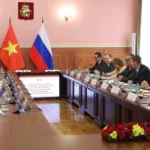
Moscow (Moscow News Daily) November 9, 2026 – Armenia’s Secretary of the Security Council, Alen Simonyan, has officially joined senior national security officials in Russia for the 14th Meeting of Secretaries of Security Councils of the Commonwealth of Independent States (CIS) Member States. According to an official press statement released by the Security Council Office in Yerevan and reported by Armenpress on Monday, 9 November 2026, the high-level security summit convened in Moscow to address critical international and regional security challenges. Approved directly by Armenian Prime Minister Nikol Pashinyan, Simonyan’s attendance at the two-day summit marks a notable diplomatic engagement between Yerevan and its post-Soviet partners amidst shifting geopolitical dynamics across Eurasia.
- What Topics Are on the Agenda at the 14th CIS Security Council Meeting in Moscow?
- Who Is Representing Armenia at the CIS Security Summit?
- How Does Armenia’s Participation Fit Into Regional Geopolitical Realities?
- Background of the Particular Development After the News
- How This Development Can Affect Regional Security, CIS Relations, and Armenian Foreign Policy
What Topics Are on the Agenda at the 14th CIS Security Council Meeting in Moscow?
As reported by Armenpress and published in official notices by the Security Council Office, the 14th Meeting of Secretaries of Security Councils of the CIS Member States brings together top defense and intelligence coordinators from participating post-Soviet republics.
The annual multilateral conference provides a structured platform for member states to align operational responses against cross-border threats, regional instability, and shared security risks.
The official press statement issued by the Security Council Office confirmed the commencement of the conference, stating: “The 14th Meeting of Secretaries of Security Councils of the CIS Member States has kicked off in Moscow. Armenia’s Security Council Secretary Alen Simonyan is also participating in the meeting”.
Key working sessions across the agenda focus on:
- Regional Security Evaluation: Assessing geopolitical pressures affecting member states in Eastern Europe, Central Asia, and the South Caucasus.
- Counter-Terrorism and Transnational Crime: Coordinating joint security initiatives to intercept illegal arms movements, narcotics trafficking, and organized crime networks.
- Information Security and Infrastructure Protection: Developing unified strategies to defend critical energy, transport, and digital infrastructure against emerging cyber threats.
- Crisis Prevention Protocols: Enhancing multilateral intelligence exchanges and rapid-response mechanisms during border or internal security emergencies.
Who Is Representing Armenia at the CIS Security Summit?
According to reporting published by Caspian Post, the Armenian delegation led by Security Council Secretary Alen Simonyan includes key policy administrators and strategic advisers from the Security Council Office.
The delegation’s official composition, approved by Prime Minister Nikol Pashinyan, includes:
- Alen Simonyan: Secretary of the Security Council of Armenia.
- Vanik Avetisyan: Head of the Security Council Office.
- Anahit Poghosyan: Adviser to the Security Council Secretary.
- Ashkhen Hayrapetyan: Adviser to the Security Council Secretary.
The working visit on 8 and 9 November highlights Armenia’s decision to maintain direct diplomatic communication channels within the CIS platform despite broader shifts in its strategic and foreign policy posture over recent years.
How Does Armenia’s Participation Fit Into Regional Geopolitical Realities?
As reported by Armenpress and independent diplomatic analysts, Simonyan’s participation in Moscow occurs during an active period of multi-vector diplomacy for Yerevan.
In parallel with CIS engagements, Armenian leadership has engaged in bilateral and multilateral dialogues across various fronts, including border delimitation talks with neighboring Georgia, regional connectivity initiatives with Kazakhstan, and trilateral technical working groups alongside the United States and Azerbaijan.
Speaking on regional security and diplomatic philosophy during recent public appearances leading up to the visit, Alen Simonyan reiterated Armenia’s focus on long-term regional stability.
As reported by Armenpress, Alen Simonyan stated that “we must leave our children a legacy of peace, not revenge”, emphasizing the necessity of dialogue and peaceful resolution mechanisms to navigate complex regional security realities.
By engaging directly with security chiefs in Moscow, the Armenian delegation seeks to ensure that Yerevan’s national defense priorities and sovereignty are clearly articulated within post-Soviet multilateral structures.
Background of the Particular Development After the News
The Meeting of Secretaries of Security Councils of CIS Member States was established as a permanent consultative body to foster coordination among post-Soviet nations on matters of military, economic, and informational security. Hosted regularly in Moscow under the auspices of the Russian Security Council, the forum facilitates direct dialogue among the top defense and security advisers of participating nations, including Belarus, Kazakhstan, Kyrgyzstan, Tajikistan, Uzbekistan, and Armenia.
In recent years, Armenia’s relationship with collective security structures in the region—most notably the Collective Security Treaty Organization (CSTO)—has undergone significant re-evaluation. Following the 2020 Nagorno-Karabakh War and subsequent military escalations, Yerevan expressed dissatisfaction with the operational efficacy and security guarantees provided by collective treaties, leading Armenia to freeze its active participation in CSTO exercises and ministerial meetings. However, Armenia has maintained selective engagement within broader political and economic frameworks like the CIS and the Eurasian Economic Union (EAEU). The decision to dispatch Security Council Secretary Alen Simonyan to the 14th CIS summit reflects Yerevan’s strategy of maintaining institutional working contacts with regional powers while pursuing diversified international partnerships across Western and regional formats.
How This Development Can Affect Regional Security, CIS Relations, and Armenian Foreign Policy
The participation of Armenia’s Security Council Secretary in the 14th CIS meeting in Moscow will produce key operational and political effects across several regional domains.
Impact on Armenian Security Policy and Multilateral Engagement
For Armenia’s security apparatus, participating in the Moscow summit ensures that Yerevan maintains direct access to intelligence exchanges and diplomatic channels with CIS member states. By engaging in these discussions, Armenian security planners can address cross-border threats and regional logistics without fully subordinating their policy direction to Moscow-led military frameworks.
Impact on CIS Regional Stability and CIS-Armenia Relations
For the Commonwealth of Independent States and Russian diplomatic leadership, securing Armenia’s high-level attendance reinforces the relevance of the CIS as a functional regional consultative body. It demonstrates that despite geopolitical friction and Yerevan’s expanding relations with Western partners, the CIS framework remains a primary channel for handling post-Soviet security dialogue and conflict prevention mechanisms.
Impact on Border Delimitation and Regional Transport Corridors
For neighboring South Caucasus nations and international observers, direct security discussions in Moscow may influence ongoing negotiations surrounding regional transport unblocking and border security. Aligning security protocols through regional forums can assist in stabilizing border zones, facilitating trade corridor development, and reducing the risk of accidental military escalations along critical South Caucasian transit routes.