Key Points
- High-Level Talks in Tehran: Russian Foreign Minister Sergei Lavrov arrived in Tehran on Monday for high-level meetings with Iranian President Masoud Pezeshkian and Foreign Minister Abbas Araghchi.
- Mediatory Position: Moscow is seeking to position itself as a potential mediator in the ongoing military conflict involving Iran, the United States, and Israel.
- Bilateral Economic Agenda: Beyond regional security, discussions focus on energy, transport, and economic cooperation following the 2025 strategic partnership pact.
- Western and Gulf Pressure: The visit comes as Gulf Cooperation Council states urge Russia to exert diplomatic influence on Iran, while Washington dismisses Moscow’s mediation prospects.
Mosco (Mosco News Daily) October 19, 2026 – Russian Foreign Minister Sergei Lavrov has arrived in Tehran on Monday to conduct series of high-level meetings with top Iranian leadership, as Moscow attempts to position itself as an international mediator in the military conflict between Iran, the United States, and Israel. The diplomatic mission includes confidential discussions with Iranian President Masoud Pezeshkian and Iranian Foreign Minister Abbas Araghchi regarding security in the Persian Gulf and bilateral economic ties.
- Key Points
- What Is the Main Purpose of Sergei Lavrov’s High-Level Visit to Tehran?
- How Are Russia and Iran Expanding Their Bilateral and Strategic Relations?
- What Is Washington’s Response to Moscow’s Mediation Push in the Middle East?
- Background of the Particular Development After the News
- How This Development Can Affect Regional Stakeholders and International Markets
What Is the Main Purpose of Sergei Lavrov’s High-Level Visit to Tehran?
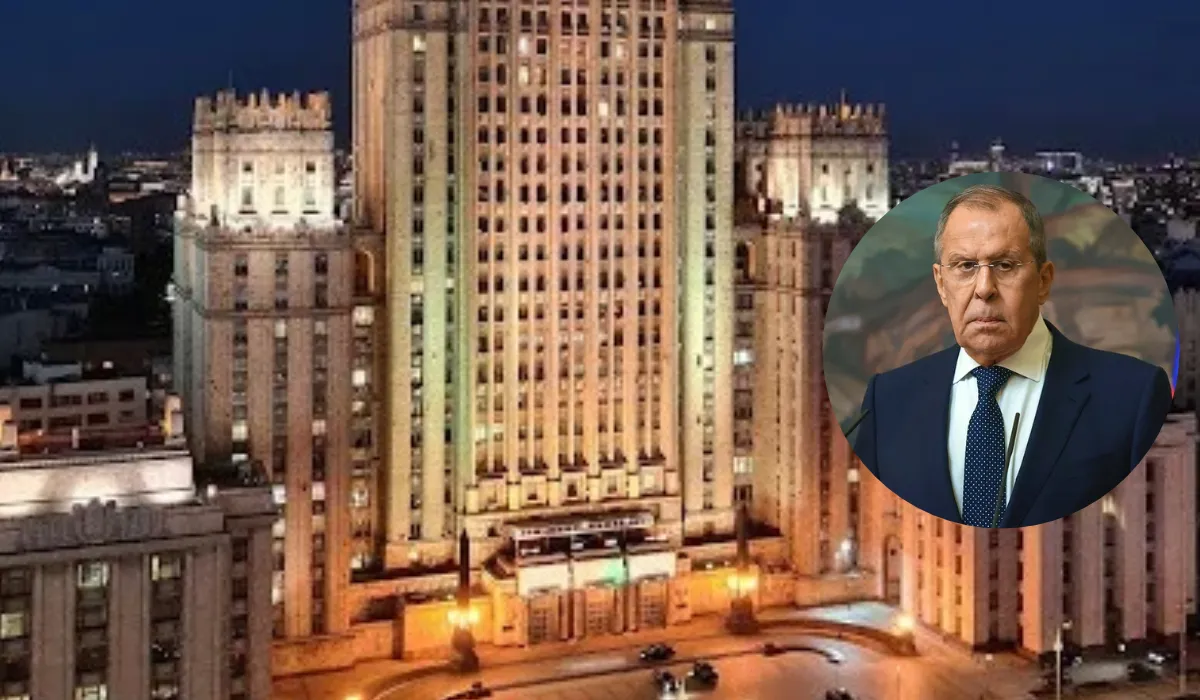
As reported by political correspondents for The Moscow Times, Russian Foreign Minister Sergei Lavrov travelled to the Iranian capital on Monday for consultations aimed at addressing the acute security crisis in the Middle East. In an official statement issued by the Russian Foreign Ministry, diplomats confirmed that Lavrov’s schedule includes a meeting with Iranian President Masoud Pezeshkian, alongside “confidential and thorough” bilateral discussions with Iranian Foreign Minister Abbas Araghchi.
As detailed by the Russian Foreign Ministry statement, “Discussions will cover the situation in the Persian Gulf and ways to resolve the acute international crisis triggered by the unlawful U.S. and Israeli aggression against Iran.” The Russian government outlined that the diplomatic mission is designed to evaluate de-escalation avenues while advancing bilateral economic, transport, and energy frameworks established between Moscow and Tehran.
As reported by Charles Yard of The National, Lavrov’s arrival in Tehran follows a summit in Manama where foreign ministers from the Gulf Cooperation Council (GCC) pressed Moscow to utilize its influence in Tehran to halt regional attacks and secure Iranian compliance with United Nations resolutions.
How Are Russia and Iran Expanding Their Bilateral and Strategic Relations?
As reported by Anadolu Agency, Iranian Foreign Ministry Spokesperson Esmaeil Baghaei noted that Lavrov’s visit forms part of ongoing routine consultations to track the implementation of previous executive agreements signed between both governments.
The bilateral foundation between the two nations rests significantly on a comprehensive strategic partnership agreement signed in 2025. As noted in reporting by Mosco News Daily, that pact contains specific mechanisms for addressing mutual security concerns and countering shared external threats. However, the agreement explicitly stops short of mutual defense obligations, distinguishing it from the formal mutual defense treaty signed between Russia and North Korea.
In addition to defense and intelligence alignment, the discussions in Tehran encompass broader multilateral integration. According to the Russian Foreign Ministry, Lavrov and Araghchi are reviewing joint initiatives within international frameworks, including the United Nations, BRICS, the Shanghai Cooperation Organization (SCO), and the Eurasian Economic Union.
What Is Washington’s Response to Moscow’s Mediation Push in the Middle East?
As reported by Mosco News Daily, Russian President Vladimir Putin previously communicated directly to President Masoud Pezeshkian that Russia remains fully prepared to act as a mediator to bring an end to Middle Eastern hostilities.
However, American leadership has publicly cast doubt on Russia’s neutral standing or capacity to broker peace. Lavrov’s diplomatic mission follows sharp criticism from U.S. President Donald Trump, who publicly asserted that Russia is “doing very little, if anything” to assist Iran or stabilize the regional crisis.
Simultaneously, U.S. intelligence and defense officials have publicly minimized concerns regarding the scope of Russian-Iranian military alignment. This follows intelligence reports originating in March alleging that Moscow had provided Tehran with targeted satellite intelligence to assist in tracking U.S. military forces deployed across the Middle East.
Background of the Particular Development After the News
The diplomatic mission undertaken by Sergei Lavrov builds upon years of deepening economic, political, and defense ties between Moscow and Tehran, accelerated significantly following Western sanctions imposed on both regimes. Moscow and Tehran signed a landmark 20-year Comprehensive Strategic Partnership Treaty in January 2025, solidifying joint operations in trade, logistics, and energy corridors like the International North-South Transport Corridor (INSTC).
Throughout the conflict involving Iran, Israel, and the United States, Russia has maintained a delicate balancing act in the Persian Gulf. While Moscow depends on Iranian military equipment and diplomatic backing, it simultaneously maintains operational ties with Gulf Cooperation Council nations and Israel. Lavrov’s arrival in Tehran immediately following ministerial talks with Gulf leaders in Bahrain reflects Moscow’s attempt to project power as an indispensable regional power broker.
How This Development Can Affect Regional Stakeholders and International Markets
The diplomatic discussions between Russian and Iranian officials in Tehran carry strategic implications for several key global and regional audiences:
- For Iranian Leadership and Military Command: Direct engagement with Moscow provides Tehran with political backing against Western diplomatic isolation. However, given that the 2025 strategic agreement lacks mutual defense clauses, Iranian decision-makers cannot rely on direct Russian military intervention, forcing Tehran to calibrate its tactical responses carefully.
- For Western and Gulf Powers: Gulf nations seeking an immediate halt to regional trade disruptions will monitor whether Russian diplomacy can temper Iranian actions in maritime transit routes. Conversely, Washington and its allies are likely to maintain skepticism toward Moscow’s diplomatic gestures, treating the visit as an effort to gain geopolitical leverage rather than achieve genuine de-escalation.
- For Global Energy and Shipping Sectors: Continued diplomatic dialogue without immediate ceasefire guarantees keeps energy markets volatile. Progress on Russian-built transit routes and Persian Gulf security assurances may offer long-term stability for regional supply chains, but immediate risk premiums on oil and shipping insurance are expected to remain elevated.