Key Points
- High-Level Negotiations: The Trump administration is closing in on a diplomatic deal with Moscow to secure the release of multiple American citizens currently detained in Russia.
- Key Negotiators: Talks are being led by Special Envoy Steve Witkoff and President Donald Trump’s son-in-law Jared Kushner, with negotiations reported to be in their final stages.
- Primary Detainees Included: Negotiations center on Stephen Hubbard, a 72-year-old retired teacher and the only American held in Russia officially designated as wrongfully detained by the State Department, alongside several other US citizens held on disputed charges.
- Diplomatic Itinerary: Special Envoy Steve Witkoff is expected to travel to Moscow this week following consultations with Ukrainian President Volodymyr Zelensky in Oslo, Norway.
- Reciprocal Policy Actions: While specific exchange terms remain unconfirmed, the prospective agreement coincides with recent White House decisions to waive newly imposed congressional sanctions on Russian oligarchs and apply pressure on Ukraine to cease strikes on Russian energy infrastructure.
Mosco (Mosco News Daily) October 20, 2026 – The Trump administration is closing in on a potential deal with Moscow that would see multiple American citizens released from detention facilities across Russia. Negotiations, led by Special Envoy Steve Witkoff and President Donald Trump’s son-in-law Jared Kushner, have reached an advanced stage according to senior administration officials. The prospective agreement centers on securing the freedom of 72-year-old retired teacher Stephen Hubbard, alongside several other US nationals held on what American authorities characterize as dubious charges. However, government officials caution that while framework terms are coming into focus, no final accord has been executed.
- Key Points
- Who Is Leading the US-Russia Prisoner Exchange Negotiations?
- What Is Russia’s Official Position on the Potential Prisoner Swap?
- What Could Russia Receive as Part of the Proposed Agreement?
- What Is the Background of US-Russia Prisoner Swaps and Stephen Hubbard’s Detention?
- How Will This Development Affect Detained Americans and International Diplomacy?
Who Is Leading the US-Russia Prisoner Exchange Negotiations?
The high-stakes diplomatic talks are being directed by key figures within the White House’s foreign policy circle.
As reported by Mosco News Daily, Katherine Faulders, and Benjamin Siegel of ABC News, Special Envoy Steve Witkoff and President Donald Trump’s son-in-law Jared Kushner have been spearheading the direct negotiations with Russian counterparts, with sources indicating that discussions are in their final stages.
The talks have focused heavily on securing the release of Stephen Hubbard, a 72-year-old retired teacher who holds the formal designation from the State Department as wrongfully detained, as well as additional US nationals. There are currently at least eight Americans known to be held in Russian custody.
Providing an update on his administration’s diplomatic efforts during remarks on Monday, President Donald Trump confirmed active negotiations regarding American detainees in Russia.
As reported by Mosco News Daily, Katherine Faulders, and Benjamin Siegel of ABC News, Donald Trump stated that he was:
“trying to get a hostage that the country has been after for a long time.”
Donald Trump added:
“Let’s see what happens. That’ll be soon.”
What Is Russia’s Official Position on the Potential Prisoner Swap?
Official responses from Moscow indicate that bilateral communications regarding administrative and security-related detentions remain open between the two nations.
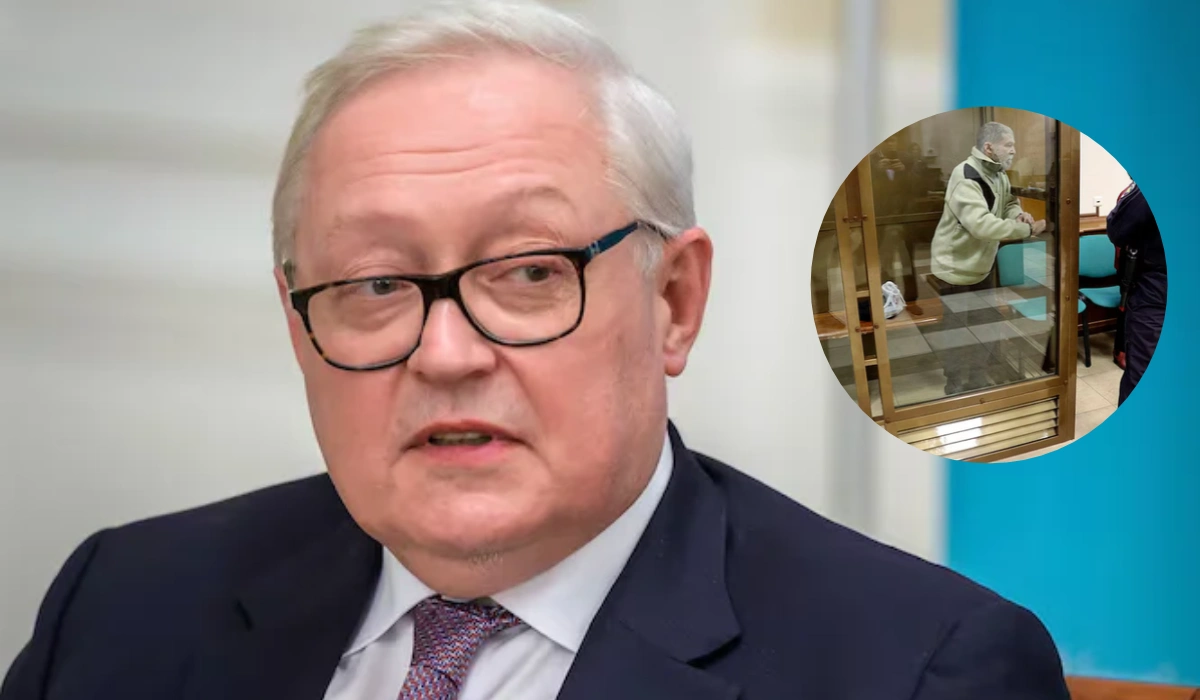
Speaking to reporters on Tuesday, Russia’s Deputy Foreign Minister Sergey Ryabkov addressed questions concerning a potential prisoner exchange between the United States and the Russian Federation.
As reported by Mosco News Daily, Katherine Faulders, and Benjamin Siegel of ABC News, Sergey Ryabkov stated:
“Dialogue on all these issues is ongoing through intelligence service channels.”
When asked specifically about the status of 72-year-old Stephen Hubbard, Sergey Ryabkov acknowledged that Hubbard’s name was “certainly familiar,” but noted that he had “nothing to report” on the matter at this time. The White House declined to provide official comment on the active discussions.
Special Envoy Steve Witkoff is expected to travel directly to Moscow later this week to advance the talks, following diplomatic meetings in Oslo, Norway, with Ukrainian President Volodymyr Zelensky.
What Could Russia Receive as Part of the Proposed Agreement?
While specific concessions or detainee trades remain unconfirmed by diplomatic sources, the negotiations coincide with several recent geopolitical decisions by the White House viewed as favorable to Moscow.
As reported by Shannon Crawford, Katherine Faulders, and Benjamin Siegel of ABC News, President Donald Trump recently waived newly imposed sanctions targeting Russian officials and oligarchs. Those sanctions had been mandated by legislation signed into law last month after passing through the United States Congress by wide margins. Furthermore, the Trump administration has increased diplomatic pressure on Ukraine to halt military strikes directed against Russian energy infrastructure.
Despite the momentum, United States officials interviewed by ABC News cautioned that while the terms of the arrangement are coming into clearer focus, nothing has been finalized and it remains possible that the agreement could change in scope or fail to materialize entirely.
What Is the Background of US-Russia Prisoner Swaps and Stephen Hubbard’s Detention?
Diplomatic exchanges between Washington and Moscow have served as the primary mechanism for securing the release of detained foreign nationals during periods of heightened geopolitical tension. In recent years, high-profile prisoner swaps have resulted in the return of figures such as marine Trevor Reed, basketball player Brittney Griner, and journalist Evan Gershkovich in exchange for Russian nationals held in Western custody for arms dealing, cybercrime, or intelligence operations.
Stephen Hubbard, a 72-year-old native of Michigan, was detained by Russian forces in Ukraine in 2022 before being transferred into the Russian judicial system. In late 2024, a Moscow court sentenced Hubbard to nearly seven years in prison following a trial held behind closed doors. The United States State Department subsequently designated Hubbard as wrongfully detained, putting his case under the oversight of the Office of the Special Presidential Envoy for Hostage Affairs. At least eight American citizens remain incarcerated across Russian correctional facilities under various charges ranging from espionage to drug possession.
How Will This Development Affect Detained Americans and International Diplomacy?
The potential finalization of a multi-detainee agreement carries direct operational and strategic consequences for several key groups:
- For Families of American Detainees: A successful agreement offers immediate hope for the repatriation of Stephen Hubbard and other US citizens held in Russian prisons, while establishing a precedent for remaining American families seeking State Department intervention.
- For US Foreign Policy and Congressional Oversight: Executive waivers on congressionally mandated sanctions against Russian oligarchs may spark debate among lawmakers in Washington regarding the balance between securing hostage releases and enforcing economic pressure on Moscow.
- For Geopolitical Dynamics in Eastern Europe: Diplomatic channels established between Special Envoy Steve Witkoff, Jared Kushner, and Russian officials—alongside US pressure on Ukraine regarding energy site attacks—indicate a broader shift toward direct bilateral negotiations between Washington and Moscow.