Key Points
- A heavy wave of Russian missile and drone strikes targeted critical infrastructure and residential zones across Ukraine, leaving at least nine people injured and causing extensive blackouts in Kyiv, Zhytomyr, and surrounding regions.
- Negotiators from Russia, Ukraine, and the United States are scheduled to meet on Tuesday in Abu Dhabi, United Arab Emirates, for the fourth round of Trump-administration-brokered peace talks.
- Ukrainian President Volodymyr Zelensky reported that Russia launched 36 ballistic missiles and 172 drones across 13 regions, targeting power stations, electrical substations, and transport bridges such as Kyiv’s Northern Bridge over the Dnipro River.
- Recovery operations entered their sixth day in the Zaporizhzhia frontline village of Komyshuvakha following a devastating Russian guided bomb strike on a humanitarian aid center, bringing the local death toll to 55.
- In reciprocal actions, Russian regional governors and the Ministry of Defence reported intercepting hundreds of Ukrainian drones, which inflicted damage on the Saratov Oil Refinery and military-industrial component plants in Oryol and Grayvoron.
Moscow (Moscow News Daily) November 7, 2026 – A devastating series of coordinated missile and drone strikes struck multiple Ukrainian cities and energy installations on Saturday, wounding at least nine individuals and severely disrupting public utility services. The overnight assaults occurred as diplomatic delegations from Ukraine, Russia, and the United States prepared to convene for high-stakes trilateral negotiations in Abu Dhabi, UAE, aimed at exploring frameworks to end the protracted conflict. While Western mediators seek a formula to bridge deep territorial and security divides, intensifying military engagements on both sides underscore the severe friction shadowing the path toward upcoming diplomatic engagement.
- What Damages Were Caused by the Overnight Missile and Drone Strikes Across Ukraine?
- What Is the Status of the Ongoing Recovery Operations in Komyshuvakha?
- How Did Russian Regions Respond to Cross-Border Drone Attacks?
- What Is Expected from the Upcoming Trilateral Peace Talks in Abu Dhabi?
- Background of the Particular Development After the News
- How This Development Can Affect Frontline Communities, Global Energy Markets, and Diplomatic Participants
What Damages Were Caused by the Overnight Missile and Drone Strikes Across Ukraine?
As reported by national correspondents at The Kyiv Independent and international news agencies, the nighttime barrage struck critical civilian and logistical infrastructure across multiple Ukrainian oblasts.
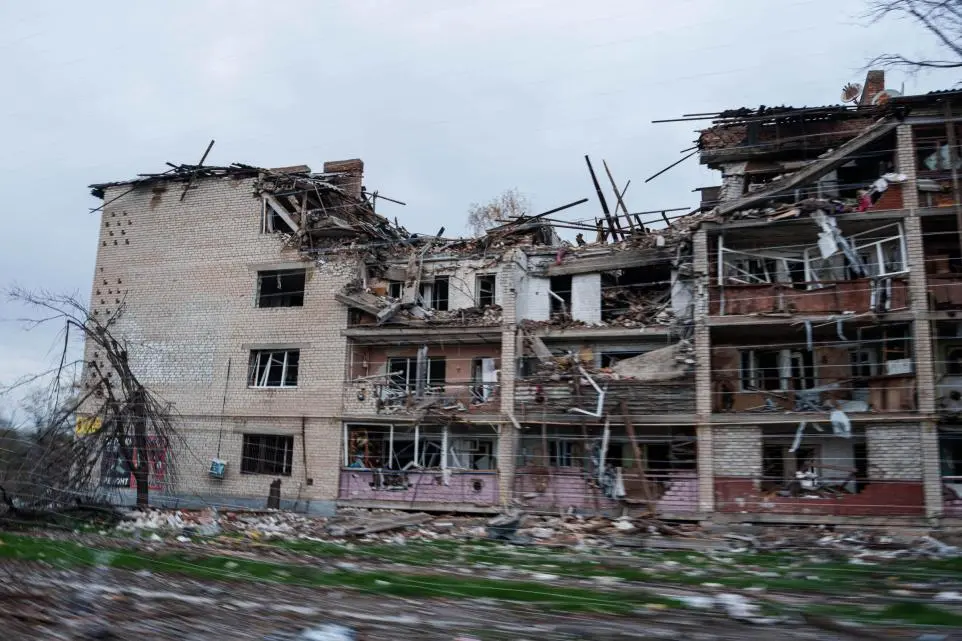
Ukrainian President Volodymyr Zelensky stated that Russian forces launched 36 ballistic missiles alongside 172 attack drones across Kyiv and 12 other regions. As reported by national authorities, the strikes damaged residential properties, closed vehicular traffic on the Northern Bridge over the Dnipro River in Kyiv, and triggered widespread outages affecting municipal heating and water systems.
Addressing the severity of the infrastructure damage, Kyiv Mayor Vitali Klitschko stated: “As a result of the enemy’s night attack, energy facilities in the Kyiv and… Zhytomyr regions were damaged. The situation with the capital’s energy supply is extremely difficult, affecting the city’s heating and water supply systems”.
Echoing these concerns, President Zelensky emphasized the vulnerability of urban centers, stating: “When Russia tries to plunge Kyiv — a city of millions — and the entire country into a blackout, Ukraine must not be left to face this alone”. Zelensky called for stronger bipartisan support from the United States Congress and tighter international sanctions against Moscow.
Conversely, the Russian Ministry of Defence released a statement on Saturday confirming the strikes, asserting that targeted facilities directly supported military operations. Moscow claimed its forces struck the Northern Bridge due to its role in transporting military hardware, alongside an industrial facility in Kyiv producing Flamingo missiles, local power stations, electrical substations, and a munitions plant in the wider Kyiv and Zhytomyr sectors.
What Is the Status of the Ongoing Recovery Operations in Komyshuvakha?
According to field reporting from Zaporizhzhia by regional correspondents, emergency recovery operations continued into their sixth day in the front-line village of Komyshuvakha following a catastrophic aerial attack earlier in the week.
The village was devastated on Monday when multiple Russian guided bombs struck a former school and adjacent humanitarian aid distribution shelter while residents were gathered to collect relief supplies. Emergency services confirmed that rescue workers recovered nine additional bodies over a 24-hour period, pushing the confirmed death toll to 55 by Saturday morning, with dozens of local residents still unaccounted for.
Village resident Mykola Krasnov, a 72-year-old local whose wife remains missing, described the ongoing anguish to reporters: “She went to get humanitarian aid, and a three-ton bomb was dropped there. Where is she? She didn’t come home, and they didn’t find her body there. She isn’t in the morgue, and she isn’t here alive”.
How Did Russian Regions Respond to Cross-Border Drone Attacks?
As reported by Russian state media and regional governors, Ukrainian counter-strikes targeted energy and military-industrial infrastructure inside Russian territory overnight.
In the south-western Saratov region, Governor Roman Busargin reported via social media that a Ukrainian drone strike damaged civilian infrastructure and residential properties. Russian media outlets subsequently confirmed that the Saratov Oil Refinery sustained direct hits, releasing thick plumes of black smoke over the city.
Similarly, Oryol region Governor Andrey Klychkov stated that commercial warehouse facilities and production installations were heavily damaged in the regional capital. Local reports verified that a fire broke out at Oryol’s Proton-Electrotex plant, which manufactures specialized electronic components used in defense equipment.
Furthermore, local officials in the Belgorod region reported that a Ukrainian drone strike hit a private residence in the town of Grayvoron, resulting in one fatality. The Russian Ministry of Defence claimed its air defence units successfully intercepted and shot down 411 Ukrainian drones overnight across 10 Russian regions, including the annexed Crimean peninsula and the waters of the Black and Azov Seas.
What Is Expected from the Upcoming Trilateral Peace Talks in Abu Dhabi?
As reported by diplomatic correspondents for Anadolu Agency and The Moscow Times, negotiators from Ukraine, Russia, and the United States are scheduled to meet on Tuesday and Wednesday in Abu Dhabi, United Arab Emirates.
The meetings mark the fourth round of working-level trilateral talks brokered by U.S. administration envoys, following previous discussions held in Geneva and Saudi Arabia. Russian President Vladimir Putin officially confirmed Moscow’s participation in the upcoming UAE summit, with a delegation led by presidential aide Vladimir Medinsky. Ukrainian officials confirmed that Defense Minister Rustem Umerov will lead the Kyiv delegation, intent on raising recent civilian casualties and escalating infrastructure strikes during the working sessions.
Despite American mediation efforts aimed at establishing frameworks before the end of the year, diplomatic analysts caution that significant gaps remain between Kyiv and Moscow regarding post-war security guarantees, international monitoring, and the ultimate status of occupied territories.
Background of the Particular Development After the News
The convergence of intensified aerial bombardments and renewed diplomatic maneuvering in Abu Dhabi reflects the complex stalemate defining the Russia-Ukraine war. Over nearly five years of full-scale conflict, both nations have increasingly utilized long-range precision weapons—ballistic missiles, cruise missiles, and unmanned aerial systems—to target enemy energy grids, logistics hubs, and defense manufacturing facilities with the objective of breaking domestic morale and economic sustainability.
Simultaneously, international diplomatic interventions led by United States mediators have repeatedly attempted to transition the conflict from active attrition warfare toward structured ceasefire negotiations. Previous rounds of talks in Geneva and Riyadh established tentative channels for humanitarian exchanges and prisoner swaps, but fundamental disagreements over territorial sovereignty, demilitarized zones, and long-term security architectures have continuously stalled comprehensive peace settlements. The Abu Dhabi talks represent a high-stakes diplomatic push amid ongoing military escalation on all fronts.
How This Development Can Affect Frontline Communities, Global Energy Markets, and Diplomatic Participants
The outcome of the Abu Dhabi trilateral talks and the ongoing escalation in aerial strikes will produce significant operational, economic, and humanitarian repercussions for key stakeholders.
Impact on Frontline Civilians and Municipal Infrastructure Networks
For civilian populations residing in front-line oblasts like Zaporizhzhia and major urban centers like Kyiv and Kharkiv, ongoing missile barrages pose an immediate and continuous threat to life and basic utilities. As winter approaches, systematic damage to power stations, electrical substations, and heating networks places immense strain on municipal authorities. Continued strikes on humanitarian distribution points, such as the tragedy in Komyshuvakha, will further complicate aid delivery and increase displacement across vulnerable regions.
Impact on International Energy Markets and Refining Operations
For global energy traders and petroleum markets, persistent Ukrainian drone strikes targeting Russian refineries—such as the facilities in Saratov—and Russian counter-strikes against Ukrainian energy grids introduce continuous supply volatility. Sustained attacks on refining capacity constrain regional fuel distribution, affecting export yields and maintaining upward pressure on international petroleum product pricing.
Impact on Delegations and Diplomatic Credibility
For the negotiating teams representing Ukraine, Russia, and the United States in Abu Dhabi, the pressure to produce tangible diplomatic progress has never been higher. Failure to secure meaningful movement on humanitarian corridors, prisoner frameworks, or ceasefire parameters during the UAE summit risks exhausting international mediation momentum. Conversely, any compromise on territorial or security guarantees will face intense political scrutiny from domestic lawmakers and allied capitals in Brussels and Washington.