Key Points
- Russian President Vladimir Putin confirmed Moscow’s readiness to resume trilateral security negotiations involving the United States, Ukraine, and Russia following direct engagements with American envoys.
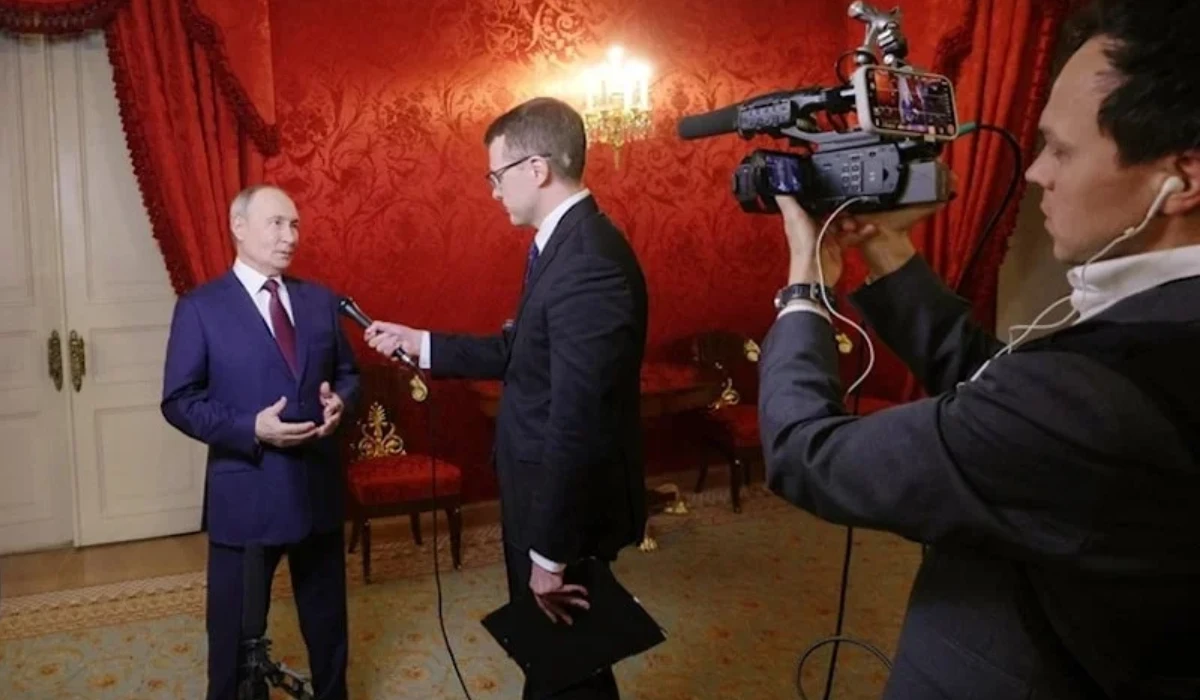
- Speaking to Vesti television journalist Pavel Zarubin, Putin stated that any potential settlement must establish long-term, definitive security guarantees for both Moscow and Kyiv rather than a temporary freeze in fighting.
- The Russian president rejected Western assertions that Moscow is preparing for conflict with European nations, characterizing such claims as “political schizophrenia”.
- Putin dismissed Ukrainian President Volodymyr Zelenskyy’s statements regarding potential territorial concessions of approximately 25 per cent of Ukrainian land, arguing the regions in question represent historical Russian territories whose residents voted to join Moscow.
- The Kremlin reaffirmed that while it remains open to a negotiated settlement, Russian forces will continue working to fulfill the strategic objectives of its military operation in Ukraine.
- High-level diplomatic discussions between American envoy Steve Witkoff and Russian leadership at St. Petersburg’s Constantine Palace paved the way for proposed technical-level trilateral sessions.
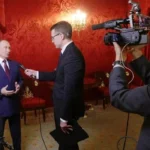
Moscow (Moscow News Daily) October 23, 2026 – Russian President Vladimir Putin has announced that Moscow is prepared to resume trilateral negotiations with the United States and Ukraine to pursue a comprehensive security settlement and end ongoing hostilities. Speaking during an interview with Vesti journalist Pavel Zarubin on Thursday, 22 October 2026, Putin confirmed that Russian officials agreed with US administration representatives to reopen three-way diplomatic channels. However, the Russian leader insisted that any final framework must secure binding, long-term security guarantees for both Russia and Ukraine, address the broader European security architecture, and reject temporary ceasefires or partial pauses in combat operations.
- Key Points
- What Did Vladimir Putin State Regarding Trilateral Negotiations and Security Guarantees?
- How Does Moscow View Claims of Russian Threats to Europe and Military Defeat?
- How Did Vladimir Putin Respond to Volodymyr Zelenskyy’s Remarks on Territorial Concessions?
- What is the Background of This Particular Development?
- What is the Prediction for How This Development Will Affect International Diplomacy and European Security?
What Did Vladimir Putin State Regarding Trilateral Negotiations and Security Guarantees?
During his interview with Vesti correspondent Pavel Zarubin, President Vladimir Putin outlined Moscow’s conditions for returning to the negotiating table alongside Washington and Kyiv. The Russian president explained that recent contacts with American officials yielded an agreement in principle to resume formal trilateral discussions.
As reported by journalist Pavel Zarubin of Vesti, President Vladimir Putin stated: “As far as our negotiations with US administration officials are concerned – yes, we agreed that we are ready to resume our trilateral consultations”.
Putin stressed that future talks must focus on structural guarantees rather than short-term pauses in military actions. As reported by Vesti, President Vladimir Putin stated that negotiations must concentrate on “ensuring the security of both countries after peace agreements are concluded in their final and definitive form, rather than through a temporary halt to fighting”.
The Russian president noted that security arrangements for Russia and Ukraine cannot be separated from wider regional dynamics, adding: “Let’s see how the situation develops over the coming days”.
How Does Moscow View Claims of Russian Threats to Europe and Military Defeat?
Addressing widespread concerns among Western governments regarding security risks to NATO member states, President Putin forcefully rejected allegations that Russia intends to expand military operations into Western Europe.
As reported by Pavel Zarubin of Vesti, President Vladimir Putin described Western warnings about an impending Russian assault on European nations as “political schizophrenia”. He argued that European populations have no interest in military escalation and would benefit from maintaining stable, peaceful economic and political relations with Moscow.
Furthermore, Putin asserted that Western expectations of defeating Russian forces on the battlefield have proven entirely unachievable. As reported by Vesti, President Vladimir Putin stated: “It has become clear to everyone that defeating Russia on the battlefield is impossible, and inflicting a strategic defeat is unrealistic”.
Reiterating Moscow’s willingness to seek a diplomatic solution, Putin acknowledged the deep cultural ties between the nations, stating to Zarubin: “We remain ready to negotiate and seek a resolution to this difficult, complex situation, in the sense that these are people very close to us”. Nevertheless, the Russian leader reaffirmed that Moscow remains committed to achieving the overarching goals set out at the beginning of its special military operation.
How Did Vladimir Putin Respond to Volodymyr Zelenskyy’s Remarks on Territorial Concessions?
The issue of territorial sovereignty remains one of the most contentiously debated elements in prospective peace talks. Responding to recent statements from Ukrainian President Volodymyr Zelenskyy suggesting Kyiv might accept a settlement that leaves approximately 25 per cent of Ukraine’s pre-war territory under Russian control, Putin challenged the premise of the Ukrainian leader’s terminology.
As reported by Pavel Zarubin of Vesti, President Vladimir Putin stated: “First of all, my view on this matter is that these are not their territories, these are the territories of historical Russia”.
Putin maintained that residents in the contested regions took part in democratic votes to declare independence and integrate with the Russian Federation. Consequently, he argued that framing the issue as a territorial “loss” for Ukraine is historically and legally inaccurate.
What is the Background of This Particular Development?
The proposal to resume trilateral talks follows weeks of intensified shuttle diplomacy involving Washington, Moscow, and European capitals. US Special Envoy Steve Witkoff recently held high-level discussions with President Putin and Kremlin aide Yuri Ushakov at the Constantine Palace in St. Petersburg. That meeting—which was preceded by American consultations in Oslo with President Volodymyr Zelenskyy, Nordic leaders, and NATO representatives—focused on establishing technical parameters for potential trilateral peace talks.
Despite ongoing diplomatic dialogue, major structural divides persist. While Washington and Kyiv have explored options involving immediate ceasefires and frozen frontlines, Moscow has consistently demanded formal recognition of its territorial claims in eastern and southern Ukraine, alongside binding commitments regarding Ukrainian neutrality and NATO expansion. Concurrently, military operations and long-range strike campaigns against energy infrastructure have continued on both sides, creating a complex background for any renewed diplomatic initiative.
What is the Prediction for How This Development Will Affect International Diplomacy and European Security?
The potential resumption of trilateral consultations between Russia, the United States, and Ukraine is expected to generate significant implications across several geopolitical spheres:
- Ukrainian Leadership and Military Strategy: The insistence by Moscow on permanent territorial adjustments and strategic neutrality will force Ukrainian policymakers in Kyiv to weigh the political risks of prolonged conflict against the compromises required for a negotiated settlement.
- United States Diplomatic Policy: For Washington, driving trilateral negotiations presents an opportunity to de-escalate regional tensions and reduce direct defense commitments, though failure to secure robust security guarantees for Kyiv could strain alliances with Eastern European NATO members.
- European Union and NATO Allies: European nations facing economic pressures and security anxieties will closely monitor the trilateral format. If negotiations progress toward establishing a broader European security framework, EU leaders will seek direct input to ensure regional defense structures and border stability remain intact.