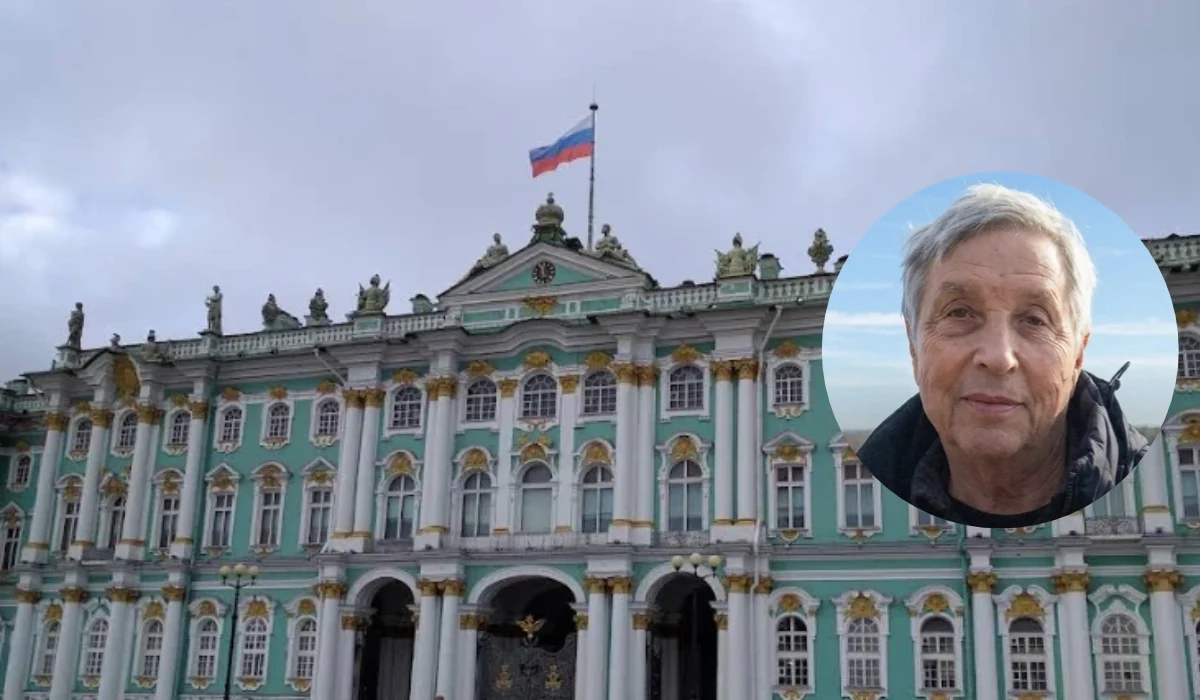
Key Points
- A Russian court in Rostov-on-Don sentenced 77-year-old Crimean political prisoner Volodymyr Ananiev to 18 years in prison over an alleged plot to assassinate Sergey Aksyonov, the Russian proxy governor of occupied Crimea.
- Under the judicial ruling, Ananiev will serve the first four years of his sentence in a prison environment before transferring to a Russian maximum-security penal colony for the remaining 14 years, alongside a fine of 600,000 rubles ($7,300).
- Russian investigators alleged that Ananiev was part of an organised group that monitored Aksyonov’s vehicle using a hidden camera and stored a remote-controlled explosive device in a rented garage in Simferopol.
- Two co-defendants in the case, Volodymyr Bodnar and Oksana Shevchenko, were previously sentenced to 13 and 10 years in prison, respectively.
- Human rights monitoring groups, including the Crimean Tatar Resource Center, confirmed that Ananiev is the oldest Crimean political prisoner, suffering from severe health conditions including vision loss following eye surgery, high blood pressure, and mobility issues requiring a walking cane.
- Ananiev’s wife, Anna Sviatnenko, condemned the prosecution as “trumped-up”, confirming to public broadcaster Suspilne that the defence team will file an appeal.
- Data from Ukraine’s Ministry of Foreign Affairs and human rights organisations indicate that approximately 300 political prisoners are currently held under politically motivated charges in occupied Crimea, including 64 elderly individuals.
Moscow (Moscow News Daily) October 22, 2026 – A Russian military court in Rostov-on-Don has sentenced 77-year-old Crimean activist and legal advocate Volodymyr Ananiev to 18 years in prison following his conviction on charges relating to an alleged assassination plot against Sergey Aksyonov, the Russian-installed proxy governor of occupied Crimea. The ruling, handed down on Thursday, mandates that the elderly political prisoner serve the first four years in a high-security prison before being transferred to a strict-regime maximum-security penal colony, alongside a financial penalty of 600,000 rubles ($7,300). The conviction comes amid continued systemic repression by Moscow’s occupation authorities targeting Crimean activists, journalists, and human rights defenders across the peninsula.
- Key Points
- What Are the Specific Allegations Brought by Russian Investigators Against Volodymyr Ananiev?
- What Has Volodymyr Ananiev’s Defense and Family Stated Regarding the Trial?
- What Health Concerns Have Human Rights Groups Raised About Ananiev’s Imprisonment?
- What is the Scale of Political Persecution in Russian-Occupied Crimea?
- What is the Background of This Particular Development?
- How This Development Can Affect Political Prisoners and Human Rights Advocates?
What Are the Specific Allegations Brought by Russian Investigators Against Volodymyr Ananiev?
According to statements released by Russian investigative authorities, investigators claimed that Ananiev operated as part of a clandestine network that tracked the official movements of Sergey Aksyonov’s vehicle across Simferopol. As reported by regional media outlets, prosecutors asserted that the group installed a hidden camera to monitor Aksyonov’s routes and maintained a remote-controlled improvised explosive device inside a rented garage in Akmesdzhit (Simferopol) to carry out a targeted detonation.
Ananiev was detained by Russian security services on February 2, 2024, in Simferopol while residing at an acquaintance’s apartment. His prosecution follows the prior sentencing of two other individuals implicated in the same case file: Volodymyr Bodnar and Oksana Shevchenko, who received prison terms of 13 years and 10 years, respectively.
What Has Volodymyr Ananiev’s Defense and Family Stated Regarding the Trial?
Throughout the judicial proceedings, Ananiev denied the charges brought against him. Speaking to Ukrainian public broadcaster Suspilne, Ananiev’s wife, Anna Sviatnenko, explicitly characterised the entire criminal case against her husband as “trumped-up” and confirmed that the defence team is preparing to lodge a formal appeal against the 18-year verdict.
Before his arrest, Ananiev, who was born in western Ukraine before relocating to Crimea, worked across the fields of law and journalism, establishing himself as a prominent civic activist advocating for landowners’ rights and the rights of the indigenous Crimean Tatar population.
What Health Concerns Have Human Rights Groups Raised About Ananiev’s Imprisonment?
Human rights defenders have expressed immediate concern regarding Ananiev’s physical state, arguing that an 18-year sentence in a maximum-security colony effectively equates to a life sentence given his advanced age and medical conditions.
In an official public assessment, the non-governmental organisation Crimean Tatar Resource Center highlighted the severity of his medical predicament: “Volodymyr Ananiev is the oldest Crimean political prisoner. He suffers from vision problems and issues with his spine, muscles, kidneys, and legs, and walks with a cane.” As reported by human rights monitors, Ananiev has undergone surgery on both eyes, but his eyesight continues to deteriorate, compounded by developing glaucoma and chronic high blood pressure.
What is the Scale of Political Persecution in Russian-Occupied Crimea?
The sentencing of Ananiev highlights a broader, documented pattern of judicial persecution by Russian authorities since the illegal annexation and occupation of the Crimean peninsula in 2014. Figures released by Ukraine’s Ministry of Foreign Affairs indicate that as of early 2026, approximately 300 individuals were being held in Russian custody on politically motivated charges, with more than 150 belonging to the Crimean Tatar community.
Furthermore, reporting from the Crimean Tatar Resource Center documents that Russian-installed judicial and security bodies have targeted 64 elderly Crimean political prisoners for systemic persecution. Out of these elderly detainees, 45 have already received formal prison sentences, while 19 remain held in pre-trial detention facilities across Crimea and the Russian Federation.
What is the Background of This Particular Development?
The judicial decision by the Southern District Military Court in Rostov-on-Don reflects the legal framework established by the Russian Federation to suppress dissent in occupied Ukrainian territories following the 2014 annexation of Crimea. Over the past twelve years, Russian security agencies, notably the Federal Security Service (FSB), have routinely deployed charges of terrorism, sabotage, high treason, and state-targeted assassination attempts against local activists, independent journalists, and civic advocates.
Sergey Aksyonov, who was installed as the head of the Republic of Crimea following the 2014 occupation, has been a primary target of alleged security incidents and reported plots published by Russian law enforcement. Concurrently, Russian judicial bodies have consistently utilised the Southern District Military Court in Rostov-on-Don as the primary venue for processing high-profile security and political trials involving Ukrainian citizens transferred from occupied regions. The systemic targeting of elderly activists like Ananiev, along with civil society figures who championed Crimean Tatar minority rights and land ownership protections, forms part of a documented effort to dismantle local civic networks that resist integration into Russian state structures.
How This Development Can Affect Political Prisoners and Human Rights Advocates?
The 18-year sentence imposed on 77-year-old Volodymyr Ananiev will have profound ramifications for human rights organisations, legal defense teams, and the families of political prisoners across occupied Crimea:
- Escalated Danger for Vulnerable Detainees: For elderly and medically vulnerable political prisoners currently held in Russian detention facilities, this ruling signals an aggressive judicial posture where age and severe illness offer no mitigating protection against maximum sentences. Human rights advocacy groups predict increased mortality risks among elderly prisoners subject to harsh transport and penal colony regimes.
- Increased Reliance on International Human Rights Mechanisms: Legal advocacy groups and Ukrainian state bodies will likely intensify international diplomatic campaigns targeting international bodies, including the United Nations and the European Court of Human Rights, to demand independent medical evaluations and urgent prisoner swaps specifically tailored for elderly political detainees.
- Chilling Effect on Remaining Civic Activism: The heavy sentencing of prominent local figures who historically advocated for Crimean Tatars and property owners reinforces a pervasive environment of intimidation, designed to deter local residents from engaging in legal aid, independent reporting, or public activism in occupied territories.
- Protracted Judicial Appeals: As confirmed by Ananiev’s defence team, the forthcoming appeal process will test the capacity of Ukrainian legal advocates to challenge fabricated evidence and procedural violations within Russian appellate courts, though historical precedents suggest limited success without political or diplomatic intervention.