Key Points
- The Wine & Spirit Education Trust (WSET) has announced a new series of free online educational webinars open to students and the global drinks industry.
- The series covers diverse topics ranging from hospitality developments in Central Asia to sustainable viticulture in Argentina and cool-climate winemaking in New York State.
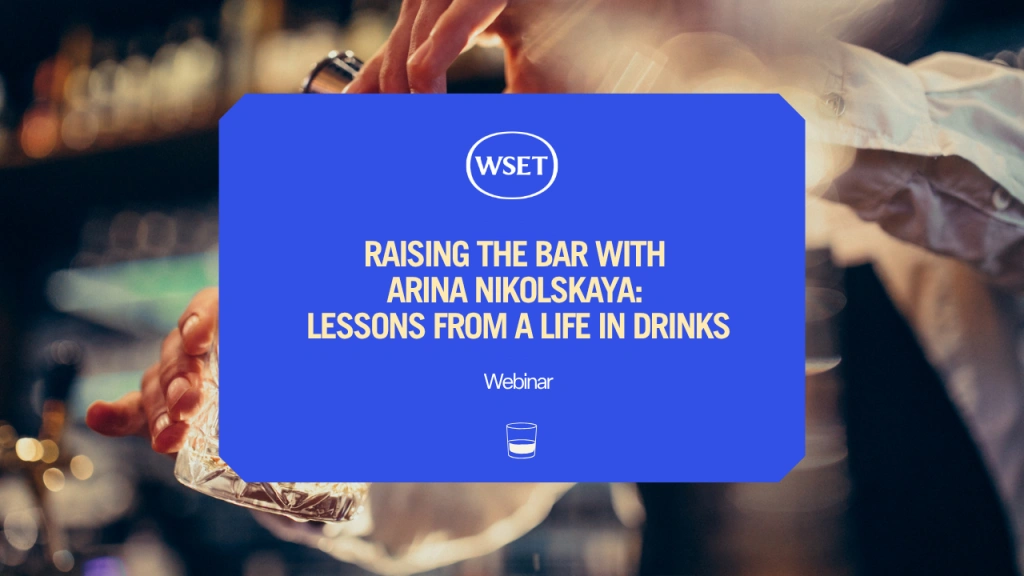
- On 10 November, Arina Nikolskaya leads the “Raising the bar” session to discuss her career, the Moscow Bar Show, Kazakhstan’s Nomad Bar Show, and the SHIFT project.
- On 12 November, fourth-generation vintner Meaghan Frank hosts an exploration of the Finger Lakes terroir in New York and the legacy of Dr. Konstantin Frank Winery.
- On 18 November, WSET honorary president Dr. Laura Catena presents Argentine winemaking initiatives, old vine preservation, and high-altitude sustainable viticulture.
- Registrants who are unable to view the sessions live will receive an archived recording link following each event.
Moscow (Moscow News Daily) November 10, 2026 – Executive Summary: International educational charity and training provider the Wine & Spirit Education Trust (WSET) has officially launched a new schedule of free live webinars aimed at expanding global access to specialized industry knowledge. The educational initiative features prominent global trade figures examining emerging hospitality markets in Eastern Europe and Central Asia, the unique microclimates of New York’s Finger Lakes wine region, and sustainable viticulture models across Argentina. Designed for both enrolled students and wider drinks trade professionals, the interactive digital series provides direct access to expert insights without financial barriers. All sessions are scheduled for live broadcast throughout November, with archived video recordings made available to all registered participants following the live events.
- Key Points
- What Is the Focus of Arina Nikolskaya’s Hospitality Webinar?
- How Does the Finger Lakes Region Challenge Conventional Winemaking Concepts?
- How Are Argentine Winemakers Addressing Climate Change and Heritage Preservation?
- Background of the Particular Development After the News
- How This Development Can Affect the Global Drinks Community and WSET Students
According to an official announcement released by the educational organisation, the Wine & Spirit Education Trust (WSET) has introduced its latest digital learning schedule, continuing its core mission to deliver accessible drinks education across international borders. As reported by drinks industry correspondents covering educational initiatives, the global charity has structured the series around expert-led presentations that address regional developments, sustainable agricultural practices, and career development within the drinks sector.
Highlighting the scope and purpose of the educational programme, Ami Wilkinson, head of events and partnerships at WSET, stated that “At WSET, our webinars are designed to make high-quality drinks education accessible to a global audience. They bring together leading experts, educators and industry voices to share knowledge, spark curiosity and encourage meaningful discussion. Whether you’re just starting out or building a career in drinks, these sessions offer valuable insights and inspiration at every stage of the learning journey.”
As detailed in the public schedule, the webinar programming commences on the evening of 10 November with a presentation in the established ‘Raising the bar – lessons from a life in drinks’ series. As reported by trade journalists covering international hospitality, this specific session features Arina Nikolskaya, an influential industry figure recognized for her extensive work developing hospitality sectors across Eastern Europe, Central Asia, and the Baltics. Over an eight-year tenure with the Moscow Bar Show, Nikolskaya assisted in transforming the event into an international industry assembly before going on to launch the Nomad Bar Show in Kazakhstan. In 2024, she founded the SHIFT project to build cross-border networks within the global hospitality trade, alongside serving as academy chair for Eastern Europe, Central Asia, and the Baltics for The World’s 50 Best Bars.
The focus of the educational series shifts to North American viticulture on 12 November with a dedicated session exploring the Finger Lakes wine region in New York State. As reported by wine industry publications, the session is led by Meaghan Frank, a fourth-generation producer at Dr. Konstantin Frank Winery. Frank, who holds formal qualifications in both winemaking and wine business, has spearheaded sustainability initiatives, introduced new grape varieties, and expanded the estate’s hospitality infrastructure. During the broadcast, Frank will analyze the region’s distinct terroir—defined by deep glacial lakes and steep slope topography—examine the performance of Riesling and secondary cultivars, and evaluate the historical contributions of her great-grandfather, who pioneered fine wine viticulture in a climate previously dismissed as too cold for quality production.
The series concludes its announced schedule on 18 November with a focus on South American viticulture, led by WSET honorary president Dr. Laura Catena. A physician, author, fourth-generation vintner, and founder of the Catena Institute of Wine established in 1995, Dr. Catena will present a comprehensive review of grassroots initiatives designed to protect Argentina’s viticultural heritage. The session will detail ongoing research into preserving old vine material, maintaining genetic diversity, managing high-altitude vineyard ecosystems, and implementing mitigation strategies against climate change. Additionally, Dr. Catena will examine how Argentine winemakers communicate regional identity internationally through brand design, wine tourism, and digital media engagement.
As confirmed by WSET event administrators, the entire webinar series is free to access via online registration. For individuals unable to attend the live broadcasts, recorded access links will be distributed automatically to all registered participants following the conclusion of each event.
What Is the Focus of Arina Nikolskaya’s Hospitality Webinar?
The opening webinar featuring Arina Nikolskaya centers on career development and the expansion of cocktail and hospitality cultures within emerging markets. The session examines how non-traditional markets in Central Asia and Eastern Europe have established vibrant, globally recognized trade hubs over the past decade.
Nikolskaya’s presentation draws directly from her work leading the Moscow Bar Show and establishing the Nomad Bar Show in Kazakhstan. The discussion explores practical frameworks for building international industry networks, the role of cultural exchange in professional bartending, and the operational goals of the SHIFT project, which aims to connect hospitality professionals across national boundaries.
How Does the Finger Lakes Region Challenge Conventional Winemaking Concepts?
The 12 November session hosted by Meaghan Frank focuses on cool-climate viticulture and the unique geographic factors that enable premium wine production in upstate New York. For decades, traditional viticultural consensus held that the Finger Lakes region was climatically unsuitable for delicate Vitis vinifera varieties due to severe winter temperatures.
The webinar examines how the region’s topography overcomes these climatic obstacles:
- Glacial Lake Thermal Buffering: The extreme depth of the Finger Lakes creates a localized thermal mass that delays spring bud break until frost risk subsides and extends the autumn growing season.
- Steep Slope Air Drainage: Vineyard planting on steep lakeside inclines facilitates cold air drainage, protecting vines from damaging frost events.
- Varietal Specialization: The focus on cold-hardy, high-acid varieties—predominantly Riesling—has established the region’s international reputation for age-worthy, mineral-driven wines.
How Are Argentine Winemakers Addressing Climate Change and Heritage Preservation?
The session led by Dr. Laura Catena on 18 November addresses environmental and agricultural sustainability challenges facing South American viticulture. The Catena Institute of Wine has conducted long-term studies to equip Argentine producers with scientific framework to handle changing weather patterns and water availability.
Key initiatives covered in the presentation include:
- Old Vine Conservation: Identifying and propagating pre-phylloxera vine selections to preserve genetic diversity and natural drought resistance.
- High-Altitude Adaptations: Managing intense ultraviolet radiation and rapid diurnal temperature shifts characteristic of vineyards planted high in the Andes mountains.
- Global Market Communication: Developing cohesive messaging across digital platforms, wine tourism programs, and export campaigns to highlight Argentina’s distinct regional microclimates.
Background of the Particular Development After the News
The launch of this digital webinar series reflects WSET’s continued expansion into global online education, a strategy accelerated following the international shift toward remote learning and digital trade resources. Founded in 1969 in the United Kingdom to provide formal qualifications for the British wine and spirit trade, WSET has transformed over five decades into a global educational charity operating in over 70 countries and multiple languages.
In recent years, the organisation has systematically expanded its digital events portfolio alongside its formal classroom qualifications. By hosting free, non-qualification webinars featuring high-profile industry figures—such as Dr. Laura Catena and regional pioneers like Meaghan Frank—WSET aims to bridge the gap between academic wine theory and practical commercial realities. The inclusion of diverse geographic regions, such as Central Asia and non-traditional American wine zones, demonstrates a deliberate strategy to broaden the traditional canon of wine education beyond classic European viticultural regions. This approach aligns with broader drinks industry movements toward sustainability, climate change adaptation, and global inclusivity.
How This Development Can Affect the Global Drinks Community and WSET Students
The expansion of free, accessible digital programming by WSET is expected to have a tangible impact across several key segments of the international drinks industry:
1. WSET Students and Hospitality Professionals
For active students and working hospitality personnel, access to free lectures by world-class producers and regional chairs provides valuable supplementary education without adding financial burden. Professionals working in emerging markets will gain practical insight into how figures like Arina Nikolskaya navigated regional challenges to build internationally recognized events. Furthermore, exposure to detailed viticultural case studies—such as Finger Lakes climate adaptation and Argentine high-altitude farming—will enhance students’ technical understanding for advanced WSET diploma exams and professional sommelier certifications.
2. Emerging Wine Regions and Small-Scale Producers
Regions featured in the webinar series, particularly the Finger Lakes and Central Asian hospitality sectors, stand to gain increased visibility among international buyers, educators, and communicators. By featuring regional leaders on a global platform, WSET helps validate non-traditional wine terroirs and emerging bar cultures, potentially driving trade interest, import partnerships, and specialized tourism to these destinations.
3. The Broader Educational and Sustainability Landscape
As climate change continues to alter traditional agricultural boundaries, educational initiatives focusing on viticultural adaptation will become essential tools for producers worldwide. Dr. Laura Catena’s insights into genetic preservation and high-altitude management offer actionable templates for winemakers in other regions facing rising temperatures and water scarcity. Consequently, WSET’s open-access model serves to accelerate the sharing of environmental research across the global wine community, fostering industry-wide resilience against climate disruption.