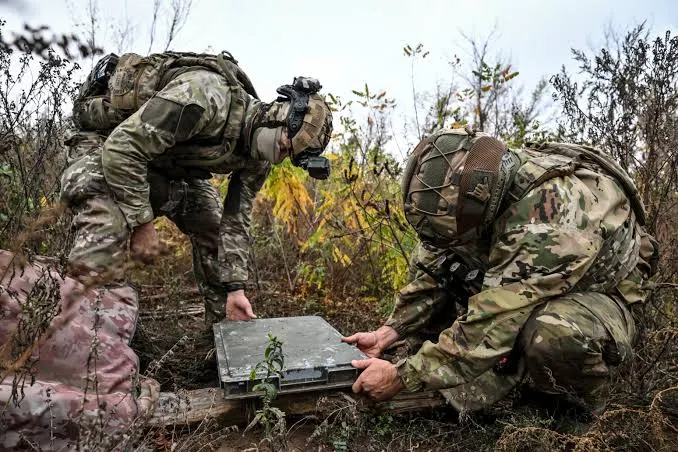
- Ukrainian President Volodymyr Zelenskyy reported systematic disruptions to SpaceX’s Starshield satellite network operating across the front lines and temporarily occupied territories of Ukraine.
- Zelenskyy stated that the disruptions involved enforced terminal speed limitations of 161 kilometres per hour (100 miles per hour), which automatically disconnect assets moving faster.
- According to the Ukrainian leadership, these technical speed caps have directly impeded military operations by hindering the interception of fast-moving Russian jet-powered drones.
- The allegations emerged concurrently with high-level diplomatic maneuvers, as U.S. special envoys Steve Witkoff and Jared Kushner arrived in Moscow at Vnukovo Airport on Thursday morning, met by Russian presidential envoy Kirill Dmitriev, following trilateral negotiations in Abu Dhabi.
- U.S. envoys Witkoff and Kushner are scheduled to hold subsequent discussions with President Vladimir Putin in Moscow before traveling to Ireland to meet with President Volodymyr Zelenskyy on the sidelines of an international political summit.
Moscow (Moscow News Daily) November 12, 2026 – Ukrainian President Volodymyr Zelenskyy announced on Thursday that his military units have detected fresh, systematic restrictions on SpaceX’s Starshield satellite network across Ukrainian territory. According to Zelenskyy, terminals have been subjected to an enforced speed cap of 161 kilometres per hour (100 miles per hour), which disconnects faster-moving units and severely compromises Ukraine’s ability to intercept incoming Russian jet-powered drones. The technical disruptions coincide with intensive diplomatic developments, as U.S. special envoys Steve Witkoff and Jared Kushner arrived in Moscow for direct talks with Russian President Vladimir Putin following inconclusive trilateral negotiations in Abu Dhabi.
- What Are the Specific Technical Limitations Affecting Starshield Operations in Ukraine?
- How Does the U.S. Diplomatic Mission to Moscow and Ireland Unfold?
- Background of the Particular Development After the News
- How This Development Can Affect Ukrainian Air Defence Units, Diplomatic Relations, and Frontline Stability
According to statements released by Ukrainian President Volodymyr Zelenskyy via social media platform X on Thursday, Ukrainian military investigators have determined that recent network anomalies are intentional technical interventions rather than random operational errors.
As reported by international security correspondents covering the frontlines, President Volodymyr Zelenskyy stated that “our units have been recording significant disruptions to Starshield’s operations over the territory of Ukraine for several days now – along the entire front line and in the temporarily occupied territories of Ukraine”.
Elaborating on the technical nature of the interference, Ukrainian military authorities detailed how the satellite configuration has restricted operational velocity.
As reported by defence journalists tracking electronic warfare developments, President Volodymyr Zelenskyy stated that the restrictions imposed an effective speed limit on terminals of 161 kilometres per hour (100 miles per hour), disconnecting anything that was moving faster, which he warned directly degraded military efficiency.
Addressing the tactical consequences of the speed limits, Ukrainian officials noted immediate operational failures in air defense.
As reported by military affairs correspondents quoting the Ukrainian head of state, President Volodymyr Zelenskyy stated that “there have already been strikes that got through because our interception systems cannot reach sufficient speeds and are unable to intercept in time,” adding that similar speed limitations had been observed by Ukrainian forces during the previous month.
Simultaneously, the diplomatic landscape shifted dramatically as U.S.-brokered peace negotiations transitioned between the United Arab Emirates and the Russian capital. According to reports from Russian state news agency Tass, U.S. special envoys Steve Witkoff and Jared Kushner arrived at Vnukovo Airport in Moscow on Thursday morning, where they were greeted by Russian presidential envoy Kirill Dmitriev.
As reported by diplomatic correspondents tracking the U.S. delegation, Witkoff and Kushner travelled to Moscow to discuss terms for a lasting resolution to Russia’s full-scale invasion of Ukraine, which has now entered its fifth year.
Furthermore, diplomatic schedules confirmed that following their consultations in Moscow, Witkoff and Kushner are poised to meet directly with President Volodymyr Zelenskyy on the sidelines of a high-level political summit convened in Ireland later on Thursday. These high-stakes shuttle negotiations follow trilateral talks between Ukrainian, Russian, and American representatives in Abu Dhabi earlier in the week, which concluded without achieving a formal ceasefire or definitive territorial settlement. Representatives for SpaceX and the White House have been approached for formal comment regarding the reported Starshield speed restrictions.
What Are the Specific Technical Limitations Affecting Starshield Operations in Ukraine?
Military briefings and official disclosures from Kyiv outline the exact operational parameters and tactical impact of the reported satellite network restrictions:
- Enforced Speed Threshold: Terminals deployed across front-line positions and occupied territories are capped at 161 kilometres per hour (100 miles per hour).
- Automatic Disconnection: Any military asset or terminal exceeding the 161 km/h threshold experiences immediate disconnection from the Starshield grid.
- Impact on Air Defence: The speed limitations prevent tracking and interception systems from effectively targeting fast-moving Russian jet-powered drones, leading to successful enemy strikes.
- Pattern of Interference: Ukrainian authorities confirmed that these disruptions are systematic and follow similar velocity restrictions recorded during the preceding month.
How Does the U.S. Diplomatic Mission to Moscow and Ireland Unfold?
A chronological overview of the diplomatic itinerary involving U.S. special envoys illustrates the multi-stage peace negotiations:
| Diplomatic Stage | Location & Participants | Key Objectives & Outcomes |
| Trilateral Talks | Abu Dhabi, UAE (Ukrainian, Russian, and American negotiators). | Initial ceasefire and territorial discussions; concluded earlier in the week without a major diplomatic breakthrough. |
| Moscow Consultation | Vnukovo Airport and Kremlin, Moscow (Steve Witkoff, Jared Kushner, and Kirill Dmitriev / Vladimir Putin). | Direct high-level discussions with Russian leadership regarding a lasting resolution to the four-and-a-half-year conflict. |
| Ireland Summit Meeting | Ireland (Steve Witkoff, Jared Kushner, and President Volodymyr Zelenskyy). | Immediate debriefing and strategic alignment following talks with Russian state officials. |
Background of the Particular Development After the News
The integration of commercial satellite communication networks into modern warfare has redefined operational connectivity since the outbreak of the full-scale conflict in February 2022. SpaceX’s Starlink and its government-dedicated security variant, Starshield, became vital infrastructure for Ukrainian command, control, communications, and reconnaissance (C3R) networks, artillery coordination, and unmanned aerial system operations. Because domestic telecommunications infrastructure was heavily degraded by missile strikes, Ukrainian forces relied heavily on low-earth-orbit satellite terminals to maintain frontline coordination.
However, the dual-use nature of commercial satellite technology has continually raised complex regulatory and geopolitical challenges regarding military end-use, weaponisation thresholds, and geofencing. Occasional friction points regarding terminal bandwidth, geographical access restrictions, and operational speed caps have surfaced periodically throughout the conflict. Concurrently, high-level diplomatic efforts led by U.S. intermediaries Steve Witkoff and Jared Kushner reflect ongoing international pressure to secure a viable diplomatic framework, even as technical and electronic warfare complications continue to affect the physical battleground.
How This Development Can Affect Ukrainian Air Defence Units, Diplomatic Relations, and Frontline Stability
The convergence of alleged Starshield disruptions and high-level U.S.-Russian diplomatic talks is positioned to impact multiple strategic pillars of the conflict:
1. Ukrainian Frontline Air Defence and Tactical Preparedness
For Ukrainian military commanders and air defence units operating along active combat zones, the continuation of systematic speed restrictions on Starshield terminals presents an immediate tactical vulnerability. If high-speed interception systems and mobile drone-tracking units remain constrained by connectivity dropouts at velocities exceeding 161 km/h, Ukrainian forces will face heightened exposure to incoming jet-powered drone swarms, requiring urgent technical coordination with American providers to restore full operational bandwidth.
2. U.S.-Ukrainian Diplomatic Alignment and Peace Negotiations
For President Volodymyr Zelenskyy and his negotiating team meeting U.S. envoys Steve Witkoff and Jared Kushner in Ireland, the timing of the Starshield disruptions introduces critical friction. Kyiv will likely press Washington for formal guarantees regarding the uninterrupted functionality of national security communications infrastructure, ensuring that diplomatic peace initiatives in Moscow are not accompanied by unilateral operational constraints on the battlefield.
3. Geopolitical Positioning Between Washington, Kyiv, and Moscow
For international observers and diplomatic actors tracking the Witkoff-Kushner mediation mission between Moscow and Ireland, the friction over satellite infrastructure underscores the fragility of ongoing negotiations. As U.S. envoys attempt to bridge deep divisions between Russian and Ukrainian terms for a ceasefire, unresolved technical and logistical dependencies on Western commercial technology highlight the complex web of factors influencing the trajectory of the conflict.