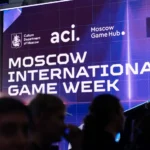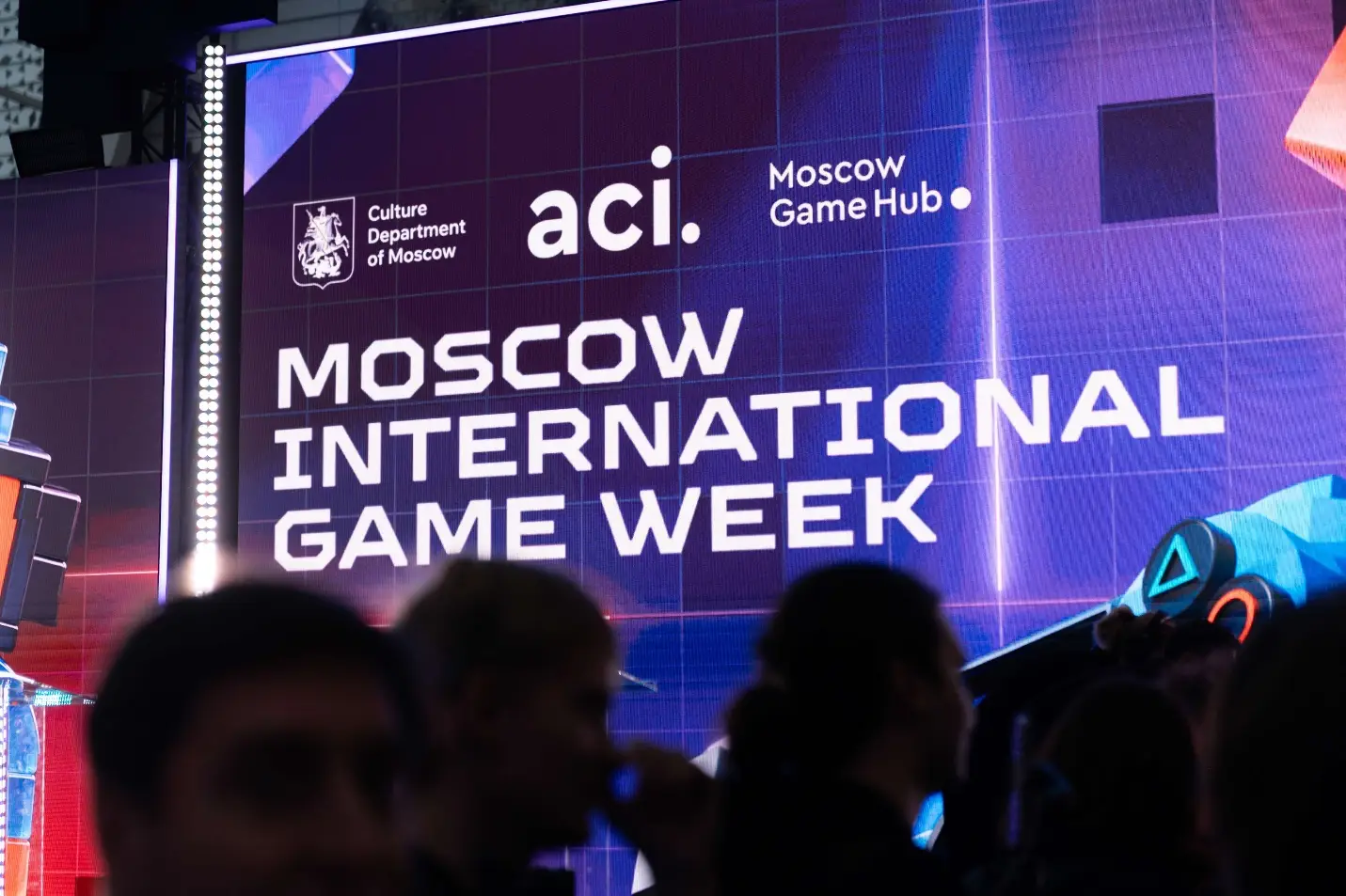
- The second Moscow International Game Week ran from 29 October to 1 November, welcoming a total of 250,000 visitors across more than 1,000 venues in Russia and CIS countries.
- The main venue, Moscow Game Hub, hosted an exhibition from 30 October to 1 November featuring over 85 companies—including international contributions from Brasilia Game Hub and South Korean publisher Burning Soul—drawing 25,000 attendees.
- A comprehensive business programme featured over 50 sessions across two stages with more than 250 international experts, alongside the presentation of a global video game hub competitiveness study by Yakov and Partners, which ranked Moscow Game Hub third globally alongside Sweden’s Game Habitat.
- The esports arena hosted the LAN finals of the Moscow Cyber Games 2026 Counter-Strike 2 tournament on 31 October and 1 November, where Russian team 1w defeated HOTU 2-0 following a qualifying pool of 956 teams from 31 countries, generating 2 million live broadcast viewers.
- American actor Ned Luke, known for voicing Michael De Santa in Grand Theft Auto V, made a headline appearance at the late-night Video Game Night event on 31 October, praising the advanced production infrastructure of Moscow Game Hub.
Moscow (Moscow News Daily) November 12, 2026 – The second edition of the Moscow International Game Week concluded its four-day run, drawing 250,000 visitors across more than 1,000 participating venues in Russia and CIS countries from 29 October to 1 November 2026. Organised by the Agency of Creative Industries of Moscow under the Moscow Department of Culture, the festival featured commercial exhibitions at the Moscow Game Hub, extensive B2B sessions covering artificial intelligence and international market expansion, and the LAN finals of the Moscow Cyber Games 2026 Counter-Strike 2 tournament won by Russian team 1w. The landmark event also hosted high-profile guest appearances, including American actor Ned Luke, and highlighted international competitiveness rankings placing Moscow among the world’s leading video game hubs.
- What Were the Core Components of the Moscow International Game Week Programme?
- How Was the Festival Structured Across Venues and International Delegations?
- Background of the Particular Development After the News
- How This Development Can Affect Domestic Game Developers, International Publishing Partners, and Regional Esports Competitors
According to official festival reports issued by festival organisers and regional news correspondents, the citywide initiative spanned over 1,000 locations—including gaming clubs, educational institutes, bookstores, and cafes—engaging more than 200,000 participants in regional tournaments and themed events.
As reported by cultural news correspondents covering the opening programmes, the festival’s core exhibition area at the Moscow Game Hub operated from 30 October to 1 November 2026, bringing together over 85 companies showcasing new video games, animation projects, and technical gaming equipment. International participation was highlighted by regional showcases, including projects from Brazilian developers presented by Brasilia Game Hub and a portfolio of more than 10 mobile and PC titles brought by South Korean publisher Burning Soul.
Detailing the commercial and educational components, the business programme convened developers, publishers, investors, and industry stakeholders over three days. According to event summaries, more than 50 sessions were conducted across two primary stages, featuring contributions from over 250 Russian and international experts. Panel discussions examined critical industry topics, including commercial business models, government support frameworks for independent studios, game world-building, talent development, and the integration of artificial intelligence in game design. Additional sessions addressed strategies for introducing Russian gaming products to international markets, adapting games into cinematic formats, and developing interactive titles based on literature, while student teams presented their concepts directly to industry veterans.
As reported by financial and technology analysts covering the business track, the programme featured the formal presentation of a comprehensive competitiveness study concerning global video game hubs, prepared by consulting firm Yakov and Partners. The study revealed that Moscow Game Hub secured third place globally, sharing the position with Sweden’s Game Habitat in Malmö, while hubs in Abu Dhabi and Shanghai claimed the top two positions.
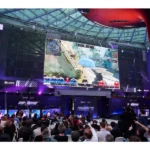
On the competitive esports front, the festival hosted the LAN finals of the Moscow Cyber Games 2026 on 31 October and 1 November at the hub’s dedicated esports arena. According to tournament statistics provided by organisers, a total of 956 teams from 31 countries competed through preliminary rounds for a place in the finals. Four elite squads—HOTU, 1w, 5 Stars Esports, and The Huns—advanced to the final stage, with the Russian team 1w ultimately claiming the championship title after defeating HOTU 2-0. Organizers noted that live broadcasts of the tournament attracted approximately 2 million viewers worldwide.
Highlighting the significance of the esports competition, Gyulnara Agamova, Head of the Agency of Creative Industries of Moscow, stated that “an international Counter-Strike tournament was held in Moscow for the first time since 2019. Its results count toward the official global rankings and affect which teams qualify for the season’s major tournament. A total of 956 teams from 31 countries competed for a place in the finals, and the deciding match took place at Moscow Game Hub, with a Russian team taking the title. The hub has been operating since November last year, and hosting a tournament of this level confirms that its infrastructure meets international standards. We want to hold similar competitions at the hub regularly”.
The festival also introduced high-energy public entertainment, notably through Video Game Night held on 31 October and 1 November, which drew roughly 15,000 visitors. Spanning from 9:00 pm to 5:00 am, the entire Moscow Game Hub facility—stretching from the underground parking area across all three floors—was transformed into a unified gaming environment featuring interactive show matches, themed activities, and video game music performances.
As the clock approached midnight, American actor Ned Luke, renowned for his portrayal of Michael De Santa in Grand Theft Auto V (whose voice, appearance, and motion-capture performance formed the basis of the iconic character), took to the stage to engage with fans and participate in a live interview.
Sharing his impressions of the venue’s technical capabilities, American actor Ned Luke stated that “this place here is supporting developers in Russia to help them develop video games. You’ve got a motion capture studio right here, you’ve got a sound production studio right here. You can make a video game right here just as good as GTA 5”.
What Were the Core Components of the Moscow International Game Week Programme?
The second edition of the festival was structured across multiple specialised tracks designed to serve industry professionals, competitive gamers, and the general public:
- Exhibition Showcase (30 October – 1 November): Over 85 companies exhibited new video game titles, animation projects, and gaming hardware at the Moscow Game Hub, featuring international delegations from Brazil (Brasilia Game Hub) and South Korea (Burning Soul).
- B2B Business Programme: Over 50 expert-led sessions across two stages featuring 250+ delegates, discussing AI integration, international market entry, narrative adaptation, and student project pitches.
- Global Hub Competitiveness Study: Research presented by Yakov and Partners evaluating international gaming clusters, ranking Moscow Game Hub joint-third globally alongside Sweden’s Game Habitat.
- Moscow Cyber Games 2026 LAN Finals: Counter-Strike 2 tournament featuring 956 competing teams from 31 countries, culminating in a victory for Russian team 1w and drawing 2 million livestream viewers.
- Video Game Night & Special Guest Appearance: All-night gaming event on 31 October and 1 November featuring actor Ned Luke (GTA V), attracting 15,000 participants across the multi-level hub infrastructure.
How Was the Festival Structured Across Venues and International Delegations?
A statistical overview of the 2026 Moscow International Game Week highlights its operational reach:
| Festival Metric | 2026 Event Details |
| Total Visitors | 250,000 attendees across 1,000+ participating venues in Russia and CIS countries. |
| Exhibition Attendance | 25,000 visitors at the main Moscow Game Hub venue. |
| Exhibiting Companies | 85+ enterprises showcasing games, animation, and hardware. |
| Esports Outreach | 956 teams from 31 countries; 2 million live broadcast viewers. |
| International Partnerships | Delegations and publishing partners from 25 countries, including Brazil and South Korea. |
Background of the Particular Development After the News
The establishment and rapid expansion of the Moscow Game Hub—which opened in November 2025 under the auspices of the Moscow Department of Culture and the Agency of Creative Industries—reflects a concerted regional strategy to localise video game development infrastructure and foster domestic technological self-sufficiency. Following widespread shifts in international commercial relations and the withdrawal of major Western gaming publishers from the Russian market in 2022, local studios, educational institutions, and municipal authorities intensified efforts to build autonomous pipelines for game production, talent retention, and cross-border partnerships within CIS and BRICS markets.
Hosting international gatherings such as Moscow International Game Week and sanctioned esports tournaments like the Moscow Cyber Games serves multiple strategic objectives for the regional games industry. By providing state-of-the-art facilities equipped with dedicated motion-capture and sound-production suites, regional bodies aim to bridge the gap between independent developers and commercial publishers. Furthermore, participating in global hub evaluations—such as the Yakov and Partners competitiveness study benchmarking Moscow against established clusters in Shanghai, Abu Dhabi, and Malmö—demonstrates an ongoing ambition to integrate into broader Eurasian and international gaming markets.
How This Development Can Affect Domestic Game Developers, International Publishing Partners, and Regional Esports Competitors
The successful conclusion of the second Moscow International Game Week and the ongoing expansion of the Moscow Game Hub are poised to influence several key segments of the gaming ecosystem:
1. Independent Russian and CIS Game Studios
For local developers and student teams who pitched projects during the B2B business programme, access to centralised infrastructure—such as professional motion-capture and sound-recording suites highlighted by guest actor Ned Luke—provides critical technical support. Reduced overhead costs and institutional backing will likely accelerate the production cycle of independent titles destined for domestic and allied international markets.
2. International Publishers and Emerging Market Collaborations
For foreign publishing houses and regional hubs (such as those from South Korea, Brazil, and Asian partner nations) participating in the 25-country delegation network, the event establishes formal channels for cross-border co-production and software licensing. As Western markets remain restricted, these bilateral relationships offer alternative distribution pathways for global gaming content.
3. Professional Esports Athletes and Regional Tournament Organizers
For competitive esports organisations and players across Eastern Europe and CIS territories, the return of high-tier international LAN tournaments whose results contribute to official global rankings—exemplified by the Moscow Cyber Games 2026—revitalises competitive pathways. Regular fixtures meeting international infrastructural standards at the Moscow Game Hub will provide local talent with vital competitive exposure ahead of major seasonal championships.