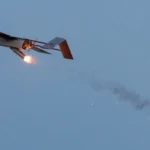

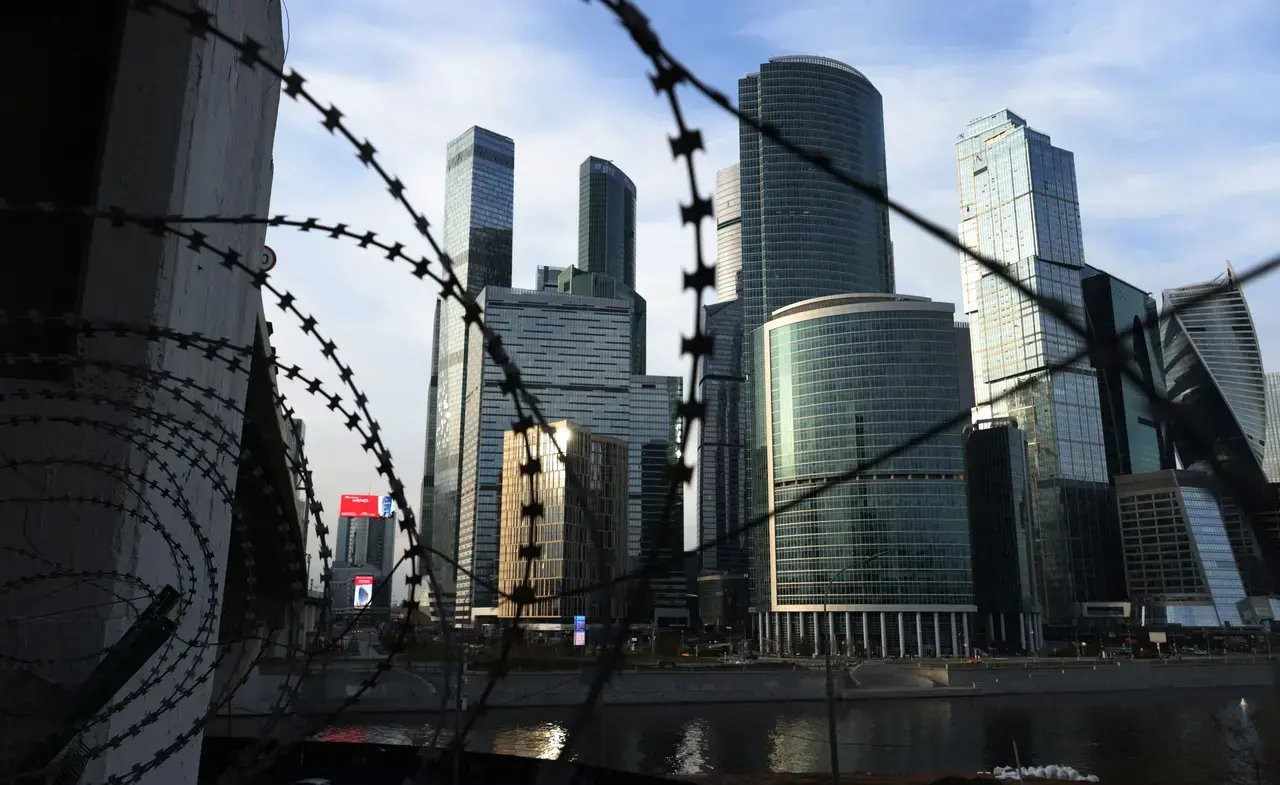
- Overnight Drone Attack Reported on Moscow Oblast: Ukraine launched a large-scale overnight drone attack toward Moscow Oblast on 28 November 2026, with Moscow Mayor Sergey Sobyanin reporting 11 drones downed around 11:00 p.m. local time on 27 November before stating the next morning that 460 drones (reported as 462 in his Telegram update) had targeted the region overnight and 123 were intercepted en route to Moscow.
- Airport Closures and Flight Disruptions in Moscow and Regional Cities: Flight restrictions were introduced at Moscow Oblast airports Vnukovo and Domodedovo, while at Sheremetyevo—where no official restrictions were announced—Russian media outlet Ostorozhno, Novosti and independent outlet Astra reported that passengers on a Rossiya Airlines flight from Moscow to Vladivostok were kept waiting, disembarked around midnight and rescheduled to 10:00 with an added stop; Astra also reported flight restrictions at airports in Kaluga, Penza, Saratov and Tambov.
- 1,246 Drones Claimed Intercepted Across Russia and Occupied Crimea: According to Russia’s Defence Ministry, Russian forces intercepted 1,246 Ukrainian drones overnight on 28 November 2026 across 14 Russian regions, the Republic of Bashkortostan and Russian-occupied Crimea, while Kaluga Governor Vladislav Shapsha separately reported 120 drones destroyed over Kaluga Oblast without injuries.
- 2026 Long-Range Drone Campaign and Mid-November Strikes: Ukraine had not commented on the reported Moscow Oblast attack at the time of publication, which follows escalated 2026 long-range drone operations—including Russia’s Defence Ministry claiming 1,336 drones intercepted on the night of 16 November and 1,441 the following night, alongside a strike on the Crimean Bridge that destroyed one road-traffic arch while leaving the railway section operational.
Moscow (Moscow News Daily) November 28, 2026 – Ukrainian forces reportedly launched a large-scale overnight drone attack on Moscow Oblast on Saturday, 28 November 2026, prompting flight restrictions at multiple Russian airports and delaying departures, according to Moscow Mayor Sergey Sobyanin. Reported by Kateryna Hodunova of The Kyiv Independent alongside Ukrainska Pravda, Astra and Ostorozhno, Novosti, Sobyanin stated that 460 drones targeted Moscow Oblast overnight—with 123 intercepted approaching Moscow—as Russia’s Defence Ministry claimed 1,246 interceptions nationwide.
- What Did Moscow Mayor Sergey Sobyanin Report About the Overnight Drone Attack?
- How Were Moscow Airports and Regional Flights Disrupted?
- What Did Russia’s Defence Ministry Claim Across Other Regions and Earlier in November?
- How Do the Reported Drone Figures, Airport Restrictions and Mid-November Benchmarks Compare?
- Background of the Particular Development After the News
- How This Development Can Affect Airlines, Passengers and Regional Air Defences
Ukraine launched a large-scale drone attack on Moscow overnight on Saturday, 28 November 2026, disrupting air traffic and forcing airports to introduce flight restrictions, Moscow Mayor Sergey Sobyanin stated.
As reported by Kateryna Hodunova of The Kyiv Independent on Saturday, 28 November 2026, alongside reporting by Olha Hlushchenko of Ukrainska Pravda and Mohammed Jangadost of Channel8, Ukraine had not issued an official comment on the reported attack on Moscow Oblast at the time of publication.
What Did Moscow Mayor Sergey Sobyanin Report About the Overnight Drone Attack?
Reporting by Kateryna Hodunova of The Kyiv Independent (28 November 2026), Olha Hlushchenko of Ukrainska Pravda (28 November 2026) and AFP (28 November 2026) sets out the timeline of figures released by Moscow Mayor Sergey Sobyanin:
- Late-Evening Interceptions on 27 November 2026: At approximately 11:00 p.m. local time on Friday, 27 November 2026, Moscow Mayor Sergey Sobyanin reported that Russian forces had shot down 11 drones heading toward the Russian capital, followed by subsequent updates as the wave continued through the night.
- Morning Total of 460 Drones Targeting Moscow Oblast: The following morning on 28 November 2026, Sergey Sobyanin stated that 460 drones (cited as 462 in his morning Telegram post) had targeted Moscow Oblast overnight, of which 123 were intercepted en route to Moscow. As reported by Mohammed Jangadost of Channel8 (28 November 2026), Sobyanin wrote on Telegram: “A total of 123 drones were destroyed as they approached Moscow,” while Olha Hlushchenko of Ukrainska Pravda quoted Sobyanin adding: “Most of the drones have been downed by the Ministry of Defence’s air defences far from the capital.”
- No Total Regional Shootdown Figure or Damage Details: Sobyanin did not specify the total number of drones shot down across the entire Moscow region and provided no immediate details regarding casualties or property damage.
How Were Moscow Airports and Regional Flights Disrupted?
Coverage by Kateryna Hodunova of The Kyiv Independent (28 November 2026) and Olha Hlushchenko of Ukrainska Pravda (28 November 2026), citing Russian media outlets Ostorozhno, Novosti and Astra, details the aviation disruptions triggered by the overnight alert:
- Restrictions at Vnukovo and Domodedovo: The reported Ukrainian drone attack prompted temporary flight restrictions at several airports serving the capital region, including Vnukovo and Domodedovo in Moscow Oblast.
- Delays on Rossiya Airlines Flight at Sheremetyevo: Although no official flight restrictions were announced at Moscow’s Sheremetyevo Airport, Russian media outlet Ostorozhno, Novosti—citing a passenger aboard a Rossiya Airlines flight from Moscow to Vladivostok—reported that the flight had not departed. As further reported by Olha Hlushchenko of Ukrainska Pravda citing Astra, passengers waited nearly three hours on board after a scheduled evening departure on 27 November before the captain announced an indefinite delay, disembarked around midnight, were informed their departure was postponed until 10:00 on another aircraft and received a text message indicating an unspecified additional stop.
- Regional Airport Restrictions Across Four Cities: Beyond Moscow Oblast, flight restrictions were also introduced at airports in Kaluga, Penza, Saratov and Tambov, according to Russian independent media outlet Astra. In neighbouring Kaluga Oblast, Governor Vladislav Shapsha stated that air defence systems destroyed 120 Ukrainian drones overnight without injuries while emergency services attended sites where debris fell, as reported by Mohammed Jangadost of Channel8 (28 November 2026).
What Did Russia’s Defence Ministry Claim Across Other Regions and Earlier in November?
Reporting by Kateryna Hodunova of The Kyiv Independent (28 November 2026) places the overnight Moscow Oblast figures within wider Russian Defence Ministry statements and November 2026 drone activity:
- 1,246 Interceptions Across 14 Regions, Bashkortostan and Crimea: According to Russia’s Defence Ministry, Russian forces intercepted 1,246 Ukrainian drones overnight on 28 November 2026 across 14 Russian regions, the Republic of Bashkortostan and Russian-occupied Crimea (figures stemming from official Russian statements that cannot be independently verified).
- Escalated 2026 Campaign and 16–17 November Interception Claims: Throughout 2026, Ukrainian forces have expanded their long-range drone campaign inside Russia, increasingly targeting Moscow and other regions. On the night of 16 November 2026, Ukraine launched a large-scale drone attack on Russia in which Russian air defences claimed to have intercepted 1,336 drones, followed the next night (17 November 2026) by the Defence Ministry reporting the shootdown of another 1,441 Ukrainian drones.
- Damage to Crimean Bridge Road Arch: During that same mid-November overnight period, Ukrainian forces also struck the Crimean Bridge, destroying one of the arches used by road traffic while leaving the bridge’s railway section operational.
How Do the Reported Drone Figures, Airport Restrictions and Mid-November Benchmarks Compare?
A structured summary compiles the figures, locations and attributions reported across the sources:
| Category | Reported Detail | Source / Attribution |
| Moscow Oblast Wave (27–28 Nov 2026) | 11 drones downed around 11:00 p.m. on 27 Nov; 460 drones (462 in Telegram post) targeted Moscow Oblast overnight; 123 intercepted en route to Moscow; no comment from Ukraine at publication | Sergey Sobyanin; Kateryna Hodunova / The Kyiv Independent; Olha Hlushchenko / Ukrainska Pravda |
| Moscow Airports & Sheremetyevo Delay | Flight restrictions at Vnukovo and Domodedovo; no formal restrictions at Sheremetyevo, but Rossiya Airlines Moscow–Vladivostok flight delayed, passengers disembarked at midnight and rescheduled to 10:00 with extra stop | The Kyiv Independent; Ostorozhno, Novosti; Astra; Ukrainska Pravda |
| Regional Airports & Kaluga | Flight restrictions introduced at Kaluga, Penza, Saratov and Tambov airports; Kaluga Governor Vladislav Shapsha reported 120 drones downed over Kaluga with no injuries | Astra; The Kyiv Independent; Vladislav Shapsha / Channel8 |
| Nationwide Defence Ministry Claim | 1,246 Ukrainian drones claimed intercepted overnight on 28 Nov across 14 Russian regions, Republic of Bashkortostan and Russian-occupied Crimea | Russia’s Defence Ministry; The Kyiv Independent |
| Mid-November 2026 Precedents | 1,336 drones claimed intercepted on night of 16 Nov; 1,441 claimed intercepted on night of 17 Nov; Crimean Bridge struck with one road-traffic arch destroyed and railway operational | Russia’s Defence Ministry; Kateryna Hodunova / The Kyiv Independent |
Background of the Particular Development After the News
Throughout 2026, long-range unmanned aerial vehicle strikes have formed a central component of Ukraine’s military operations inside Russia, targeting infrastructure and logistics hubs across regions extending well beyond border oblasts to Moscow Oblast, the Volga region and the Urals.
In Russian civil aviation, authorities routinely implement temporary airspace closures—known operationally as restricted flight regimes—at Moscow’s Vnukovo, Domodedovo and Sheremetyevo hubs as well as regional airports such as Kaluga, Penza, Saratov and Tambov whenever air defence radars track incoming drones. The 28 November 2026 overnight wave followed shortly after the large-scale mid-November strikes on 16–17 November 2026, during which Russia reported single-night interception counts of 1,336 and 1,441 drones and a road-traffic arch on the Crimean Bridge was destroyed.
How This Development Can Affect Airlines, Passengers and Regional Air Defences
Sustained large-scale drone launches toward Moscow Oblast and central Russian regions carry practical implications across several groups:
1. Commercial Airlines and Air Travellers in Russia
For carriers such as Rossiya Airlines and passengers flying through Moscow hubs (Vnukovo, Domodedovo and Sheremetyevo) or regional airports in Kaluga, Penza, Saratov and Tambov, recurring overnight drone alerts are likely to cause sudden departure holds, aircraft swaps, unscheduled diversions and knock-on schedule delays even at airports where formal airspace closures are not publicly announced.
2. Air Defence Units and Emergency Services in Central Russia
For Russian air defence forces and regional emergency responders in Moscow Oblast and neighbouring oblasts such as Kaluga, multi-hundred-drone waves approaching from distant trajectories require continuous radar coverage, interceptor expenditure and rapid debris-clearance operations on the ground.
3. Transport Infrastructure and Supply Corridors
For transport operators managing critical links—including road and rail corridors such as the Crimean Bridge and regional aviation networks—continued long-range drone activity increases operational vulnerability and requires ongoing contingency routing.