

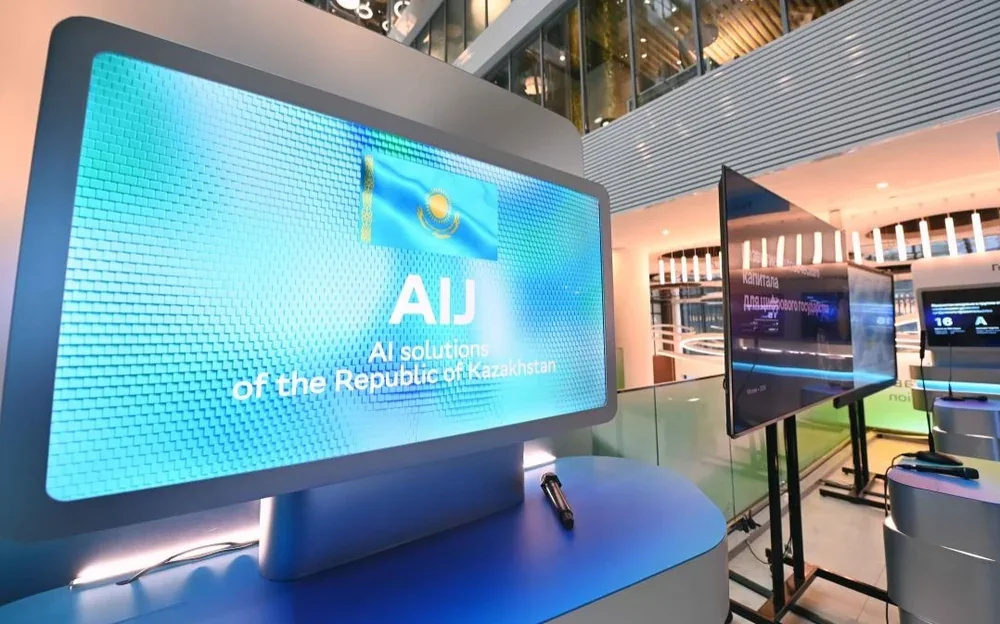
- Kazakhstan Presents Six Core Digital Areas Before Tokayev and Putin: At the AI Journey 2026 International Conference in Moscow, Kazakh President Kassym-Jomart Tokayev and Russian President Vladimir Putin reviewed Kazakhstan’s artificial intelligence and digital developments across six core tracks—Tech Nation (also referred to as Technological Nation), Startup City, GovTech, Aitu, AI in Transport and FinTech—as reported by Almas Zhexenbekov of Qazinform on 27 November 2026.
- AI Talent Pipeline, Startup Ecosystem and Public Administration Milestones: Minister of Artificial Intelligence and Digital Development Zhaslan Madiyev and First Vice Minister Rostislav Konyashkin presented talent initiatives including the national AI-Sana programme, ALFA, TUMO Astana, Tomorrow School, QAIRU, ML School Kazakhstan (with Yandex Qazaqstan) and alem.ai, alongside Kazakhstan’s 16th place out of 194 countries in the United Nations E-Government Development Index (UN EGDI), World Bank top A group status, roughly 15 million eGov Mobile users, 90 per cent online public services, 55 services on eGov GPT and more than 7 million accounts on the Aitu platform.
- FinTech Tools, Fraud Reduction and Transport Initiatives: Officials demonstrated the IRIS AI monetary-policy assistant and the National Anti-Fraud Center—which the National Bank of Kazakhstan noted contributed to a 26.2 per cent drop in online fraud, the first decline in five years—alongside transport digitalisation initiatives including Smart Cargo and AI Jol, as reported by Almas Zhexenbekov of Qazinform and Silkway TV.
- Youth Session, IT Exports Above $1 Billion and Geopolitical Context: On the sidelines of the forum, Kassym-Jomart Tokayev and Vladimir Putin met schoolchildren and university students, including international AI olympiad winners, while Kassym-Jomart Tokayev highlighted domestic IT services exports exceeding $1 billion last year and noted that technological transformation is unfolding amid geopolitical tension and a lack of trust among states.
Moscow (Moscow News Daily) November 27, 2026 – At the AI Journey 2026 International Conference in Moscow, Kazakh President Kassym-Jomart Tokayev and Russian President Vladimir Putin reviewed Kazakhstan’s artificial intelligence and digital projects across six core areas. Reported by Almas Zhexenbekov of Qazinform, Akorda, Silkway TV and Tengrinews, the showcase spanned talent training, startups, e-government, Aitu, FinTech and transport alongside a youth meeting.
- How Is Kazakhstan Building AI Talent and Its Startup Ecosystem?
- What Digital Administration and Aitu Platform Milestones Were Demonstrated?
- What FinTech, Transport, Youth and Policy Highlights Emerged at AI Journey 2026?
- How Do the Key Metrics and Initiatives Shown at AI Journey 2026 Compare?
- Background of the Particular Development After the News
- How This Development Can Affect Kazakh Tech Firms, Citizens and Regional Partners
At the AI Journey 2026 International Conference in Moscow, Kazakh President Kassym-Jomart Tokayev and his Russian counterpart, Vladimir Putin, examined the two countries’ achievements in artificial intelligence and digital technology across six core areas—Tech Nation, Startup City, GovTech, Aitu, AI in Transport and FinTech.
As reported by Almas Zhexenbekov of Qazinform on 27 November 2026 and Tengrinews on 26 November 2026, Minister of Artificial Intelligence and Digital Development Zhaslan Madiyev briefed both heads of state on Kazakhstan’s progress in technology entrepreneurship, startup growth and building a national artificial intelligence ecosystem.
How Is Kazakhstan Building AI Talent and Its Startup Ecosystem?
Reporting by Almas Zhexenbekov of Qazinform (27 November 2026) and Silkway TV (27 November 2026) sets out the educational programmes, institutions and startup infrastructure presented during the Moscow exhibition tour:
- AI Talent Pipeline From Schools to Civil Servants and Business Staff: Training artificial intelligence specialists formed a central pillar of Kazakhstan’s display. The two presidents were shown an artificial intelligence training pipeline extending from school classes to retraining programmes for civil servants and business personnel, centred on the national AI-Sana programme that integrates artificial intelligence education initiatives.
- ALFA, TUMO Astana, Tomorrow School and QAIRU: Presentations also highlighted the ALFA platform, the TUMO Astana and Tomorrow School educational projects, and QAIRU, described as Central Asia’s first artificial intelligence university.
- Startup City, ML School Kazakhstan and alem.ai: Under the Startup City track, officials presented Kazakhstan’s technology ecosystem linking human capital development, startup support and international talent attraction. In particular, ML School Kazakhstan trains machine learning specialists in partnership with Yandex Qazaqstan, while the ecosystem also encompasses the alem.ai International Center for Artificial Intelligence, connecting specialists, startups, research centres and corporations.
What Digital Administration and Aitu Platform Milestones Were Demonstrated?
Coverage by Almas Zhexenbekov of Qazinform (27 November 2026) and Silkway TV (27 November 2026) details Kazakhstan’s public-sector digitalisation figures and platform tools:
- UN EGDI Ranking, World Bank Group and Online Public Services: Kazakhstan ranks 16th out of 194 countries in the United Nations E-Government Development Index (UN EGDI) and sits in the World Bank’s top A group. Roughly 15 million people use the eGov Mobile application, and 90 per cent of public services are available online. Through eGov Business, entrepreneurs can access services and sign documents using a QR code.
- QazTech, Aitu GovWorkspace and eGov GPT: First Vice Minister of Artificial Intelligence and Digital Development Rostislav Konyashkin demonstrated digital tools deployed in Kazakhstan’s public administration, including the national QazTech platform, the Aitu GovWorkspace digital workplace with built-in artificial intelligence tools, and the eGov GPT assistant for conversational access to public services, which currently offers 55 services.
- Aitu Digital Platform Capabilities: A separate exhibition booth featured Kazakhstan’s Aitu platform, which combines messaging, government and business services, and artificial intelligence features across more than 7 million registered accounts, offering artificial intelligence assistants, automatic Kazakh-to-Russian message translation, money transfers, payments and legally binding document signing.
What FinTech, Transport, Youth and Policy Highlights Emerged at AI Journey 2026?
Reporting by Almas Zhexenbekov of Qazinform (27 November 2026), Akorda (26 November 2026) and Silkway TV (27 November 2026) covers the financial, transport, educational and geopolitical aspects of the visit:
- IRIS AI Assistant, National Anti-Fraud Center and Transport Projects: In the FinTech track, officials presented the IRIS AI assistant, designed to provide analytical support for monetary policy decisions, alongside the National Anti-Fraud Center, which uses artificial intelligence to detect and prevent financial fraud. According to the National Bank of Kazakhstan, those measures helped drive a 26.2 per cent drop in online fraud—the first decline in five years. Exhibitors also showcased digital transformation in the transport sector, including pilot initiatives such as Smart Cargo and AI Jol reported by Silkway TV.
- Meeting With Schoolchildren, University Students and Olympiad Winners: On the sidelines of the conference, Kassym-Jomart Tokayev and Vladimir Putin met with schoolchildren and university students, including winners of international artificial intelligence olympiads. Kassym-Jomart Tokayev congratulated the young participants on presenting their work at an international forum, underlined the role of such gatherings in unlocking youth potential, and took part in an interactive session covering artificial intelligence applications in science, education, medicine, the economy and the arts.
- Statements by President Kassym-Jomart Tokayev: As reported by Almas Zhexenbekov of Qazinform on 27 November 2026, Kassym-Jomart Tokayev noted at the international AI Journey 2026 conference in Moscow that comprehensive digitalisation and the introduction of artificial intelligence are particularly close to him, as they have been declared a priority of Kazakhstan’s reform agenda. Kassym-Jomart Tokayev highlighted Kazakhstan’s well-developed electronic financial services system, noting that exports of domestic IT services exceeded $1 billion last year, and pointed out that technological transformation is taking place against a backdrop of geopolitical tension and a lack of trust among states. In remarks published by Akorda on 26 November 2026, Kassym-Jomart Tokayev also underscored the need for coordinated efforts on artificial intelligence security and reiterated the value Kazakhstan places on its strategic partnership and alliance with Russia.
How Do the Key Metrics and Initiatives Shown at AI Journey 2026 Compare?
A structured summary compiles the indicators, platforms and initiatives highlighted across the reporting:
| Category | Reported Metric / Initiative | Source / Attribution |
| Six Showcase Tracks | Tech Nation (Technological Nation), Startup City, GovTech, Aitu, AI in Transport and FinTech | Almas Zhexenbekov / Qazinform; Tengrinews |
| AI Talent & Ecosystem | AI-Sana programme, ALFA, TUMO Astana, Tomorrow School, QAIRU, ML School Kazakhstan (with Yandex Qazaqstan) and alem.ai | Almas Zhexenbekov / Qazinform |
| E-Government & Aitu Scale | 16th of 194 countries in UN EGDI; World Bank top A group; ~15 million eGov Mobile users; 90% online services; 55 eGov GPT services; more than 7 million Aitu accounts | Almas Zhexenbekov / Qazinform |
| FinTech, Fraud & IT Exports | IRIS AI monetary-policy assistant; 26.2% drop in online fraud (first decline in 5 years, National Bank of Kazakhstan); domestic IT services exports above $1 billion last year | Almas Zhexenbekov / Qazinform |
| Geopolitical & Youth Context | Meeting with schoolchildren, university students and AI olympiad winners; note on geopolitical tension and lack of trust among states; Akorda remarks on AI security and bilateral ties | Almas Zhexenbekov / Qazinform; Akorda |
Background of the Particular Development After the News
AI Journey (A Journey into the World of Artificial Intelligence) is an annual international conference held since 2016 that brings together policymakers, researchers, technologists and business leaders to examine artificial intelligence applications across industry and society.
Kazakhstan has tied digitalisation and artificial intelligence adoption to broader state modernisation plans—including legal frameworks such as the Digital Code and Law on Artificial Intelligence, startup infrastructure at Astana Hub, and power-generation planning to support computing demand—while conducting high-level diplomatic and economic engagements in Moscow.
How This Development Can Affect Kazakh Tech Firms, Citizens and Regional Partners
The projects and policy priorities presented at AI Journey 2026 in Moscow carry practical implications across several groups:
1. Kazakh Technology Startups, Engineers and Students
For domestic technology companies, machine learning trainees and students participating in initiatives such as AI-Sana, QAIRU, ML School Kazakhstan and alem.ai, international showcases alongside cross-border ecosystem links create visibility for talent development and export-oriented IT services after surpassing $1 billion in annual exports.
2. Kazakh Citizens and Businesses Using Digital Public and Financial Services
For everyday users of eGov Mobile, eGov GPT, eGov Business and Aitu, continued integration of artificial intelligence assistants, QR-code document signing and fraud-detection systems at the National Anti-Fraud Center points toward broader digital service delivery and ongoing efforts to curb online financial fraud.
3. Bilateral and Regional Technology Cooperation
For officials, researchers and enterprises in Kazakhstan and Russia—as well as regional partners—pursuing joint digital and artificial intelligence initiatives amid broader geopolitical tensions requires navigating both technical collaboration opportunities and questions around cross-border trust, data governance and technological security.