Key Points
- Unilateral Unraveling of Economic Pressures: US President Donald Trump’s administration has commenced easing economic sanctions on Russia, including a decision to resume Russian diesel imports, despite Moscow making no territorial or operational concessions in Ukraine.
- Concerns Over European Security Architecture: US Special Envoy Steve Witkoff has signaled a willingness to negotiate broader European security arrangements with Kremlin officials, raising fears among NATO allies that Washington may reopen long-standing Russian demands to pull back alliance infrastructure from Eastern Europe.
- Emergence of a Russian Sphere of Influence: European diplomats and analysts warn that normalizing relations prior to a finalized peace settlement risks allowing President Vladimir Putin to re-establish a recognized geopolitical sphere of influence over Eastern Europe.
- Kremlin Unyielding on War Aims: Political analysts highlight that Moscow continues its military campaign and systematic missile strikes on Ukrainian energy infrastructure, taking advantage of American economic relief without reducing frontline pressure.
- Widening Transatlantic Divide: Washington’s unilateral diplomatic approach has sparked intense criticism from European Union members, with Brussels responding by considering counter-measures and independent sanctions to maintain pressure on Moscow.
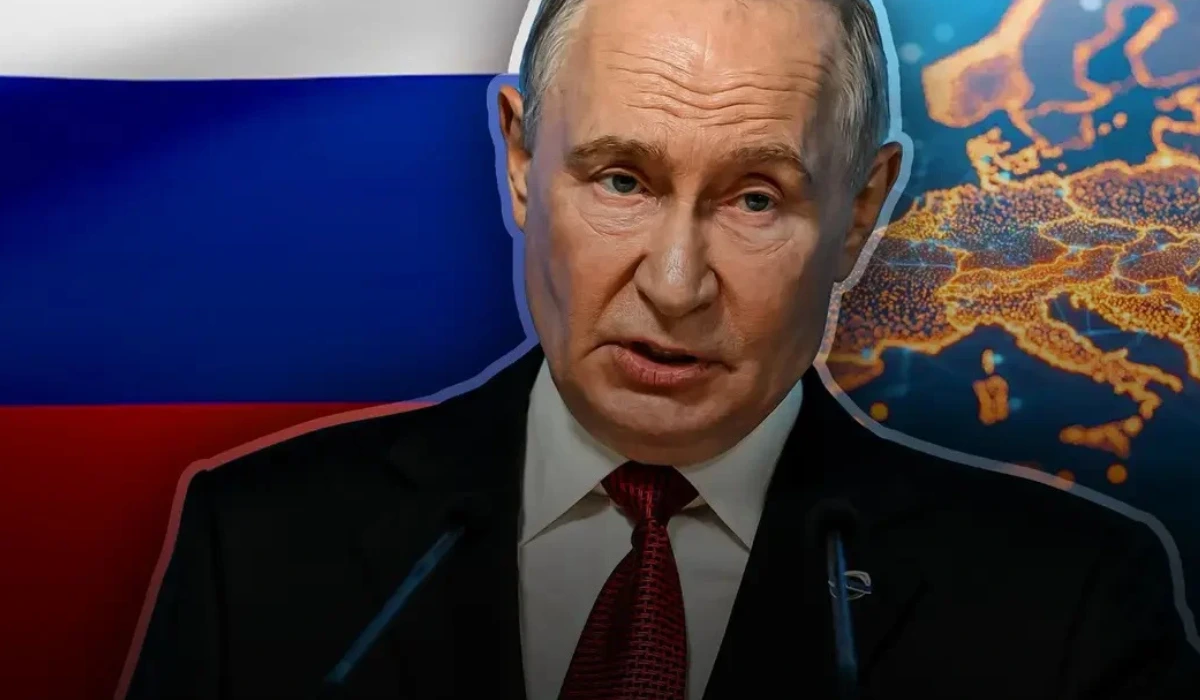
Moscow (Moscow News Daily) October 23, 2026 – A deepening rift has emerged between Washington and its European allies as US President Donald Trump’s administration steps up unilateral economic and diplomatic concessions to Moscow ahead of a formal Ukraine peace settlement. European governments are sounding urgent alarms following Washington’s decision to suspend energy sanctions and resume importing Russian diesel, while simultaneously tasking US Special Envoy Steve Witkoff with exploring broad security revisions with the Kremlin. Analysts and allied officials warn that by offering economic relief and discussing NATO’s Eastern European posture before securing a military ceasefire, the United States risks allowing President Vladimir Putin to rebuild a historic sphere of influence across Eastern Europe without halting his military aggression against Ukraine.
- How Is Washington Easing Sanctions and Normalising Relations with Moscow?
- Why Are US Negotiations Over European Security Architecture Alarming NATO Allies?
- Why Are European Governments Alarmed by Recent US Policy Decisions Regarding Russia?
- What Specific Economic Sanctions and Energy Agreements Has Washington Relaxed?
- How Could Proposed Security Negotiations Affect NATO’s Eastern Flank?
- What Is the Current Outlook for Upcoming Ukraine Peace Talks?
- Background of the Particular Development
- How Will This Development Affect European Defense Policies and Transatlantic Relations?
How Is Washington Easing Sanctions and Normalising Relations with Moscow?
As reported by Stuart Dowell, Political Editor at TVP World, during the network’s News in Depth program, the United States has begun rolling back restrictive economic measures on Moscow even as heavy fighting and missile strikes persist across Ukrainian territory.
The most prominent example of this policy shift is Washington’s decision to grant targeted sanctions exemptions to facilitate the import of Russian diesel fuel. The US Treasury Department issued temporary licensing provisions allowing American companies to procure hundreds of thousands of metric tons of Russian refined fuel, a step aimed at lowering domestic fuel prices in the United States ahead of domestic political cycles.
In his assessment of Washington’s foreign policy trajectory, Stuart Dowell of TVP World stated:
“President Donald Trump appears to be normalizing relations in advance of a peace settlement, offering Moscow concessions without securing changes in its behavior.”
Dowell noted that Washington’s decision to resume Russian diesel shipments—an arrangement that funneling vital capital back into Russian state coffers—has met with sharp disapproval from European leaders and Ukrainian President Volodymyr Zelenskyy, who view the move as a direct compromise of the international sanctions regime.
Why Are US Negotiations Over European Security Architecture Alarming NATO Allies?
As reported by TVP World and corroborated by European diplomatic correspondence, European leaders are particularly alarmed by discussions led by US Special Envoy Steve Witkoff regarding the future structure of continental defense.
During recent high# European Leaders Express Alarm as US Eases Economic Sanctions on Russia Ahead of Ukraine Peace Talks
Key Points
- US Economic Concessions: Washington has eased economic pressure on Moscow by relaxing sanctions on Russian energy and resuming Russian diesel imports, despite ongoing military operations in Ukraine.
- Security Architecture Concerns: European allies are increasingly alarmed that US Special Envoy Steve Witkoff is open to negotiating broader European security arrangements with Moscow, potentially threatening NATO’s eastern flank.
- Russian Sphere of Influence: Analysts warn that opening security talks could allow President Vladimir Putin to re-establish a Russian sphere of influence over Eastern European nations that joined NATO after 1997.
- Unchanged Russian Objectives: Moscow continues to demand full territorial concessions from Kyiv while maintaining sustained military pressure and attacks on Ukraine’s national energy infrastructure.
- European Discontent: Both European diplomatic corps and the Ukrainian government have voiced strong criticism regarding unilateral US economic relief granted in advance of a finalized peace settlement.
Washington ([Brand Name]) October 23, 2026 – A series of economic and diplomatic concessions granted to Moscow by US President Donald Trump’s administration has raised severe concerns across European capitals, where officials fear Washington is undermining continental security architecture. As part of preliminary discussions aimed at brokering an end to the war in Ukraine, the United States has moved to ease energy sanctions and permit the resumption of Russian diesel imports. However, European diplomats and security analysts warn that Washington’s willingness to discuss broader Eastern European security arrangements risks creating a strategic vacuum along NATO’s eastern border.
Why Are European Governments Alarmed by Recent US Policy Decisions Regarding Russia?
As reported by political editor Stuart Dowell of TVP World during an interview on the network’s News in Depth program, the primary source of European anxiety stems from Washington granting significant economic relief to Moscow without receiving reciprocal military or territorial concessions.
Stuart Dowell observed that President Donald Trump appears to be actively “normalizing relations in advance of a peace settlement,” thereby relieving pressure on the Kremlin while Russian forces continue their offensive campaign against Ukrainian infrastructure.
Addressing the imbalance of these initial diplomatic moves, Stuart Dowell of TVP World stated that Washington was providing Russia with economic incentives while President Vladimir Putin refused to alter his strategic territorial demands or tone down military operations.
What Specific Economic Sanctions and Energy Agreements Has Washington Relaxed?
As reported by TVP World and corroborated by international diplomatic reporting, the US administration recently authorized measures relaxing restrictions on Russian energy exports, including an agreement to reopen Russian diesel shipments into international markets.
The policy shift has drawn immediate and sharp criticism from both Kyiv and European Union member states. European trade and foreign policy officials contend that resuming energy imports provides Moscow with critical financial liquidity, effectively reducing the economic pressure intended to compel the Kremlin toward meaningful peace negotiations.
How Could Proposed Security Negotiations Affect NATO’s Eastern Flank?
As detailed in analysis provided by Stuart Dowell of TVP World, the most severe danger for European sovereignty lies in discussions led by US Special Envoy Steve Witkoff regarding the overall security framework of Central and Eastern Europe.
Moscow has repeatedly insisted that any long-term peace agreement must include a requirement for NATO to withdraw its military infrastructure, equipment, and forward-deployed forces from all member states that joined the alliance after 1997. This requirement directly impacts Poland, Lithuania, Latvia, Estonia, and other Central European nations.
Analyses aired on TVP World highlight that if US negotiators entertain these demands, it could create a dangerous security vacuum along NATO’s eastern frontier, effectively granting Russia a veto over European security and allowing Moscow to re-establish a geopolitical sphere of influence over Eastern Europe.
What Is the Current Outlook for Upcoming Ukraine Peace Talks?
As reported by political editor Stuart Dowell of TVP World, prospects for a swift and equitable diplomatic settlement remain low due to asymmetric military and diplomatic dynamics.
Moscow continues to view its ongoing military pressure—particularly concentrated missile and drone strikes targeting Ukraine’s power generation and heating networks—as an effective tool to wear down Ukrainian resolve and force Kyiv into political capitulation. Consequently, analysts argue that granting economic concessions prior to securing a verifiable ceasefire encourages the Kremlin to maintain its uncompromising posture at the negotiating table.
Background of the Particular Development
Since the expansion of NATO in the post-1997 era, the Russian government under President Vladimir Putin has consistently viewed the inclusion of Central and Eastern European nations into the alliance as a direct threat to Russian strategic security. In December 2021, prior to launching its full-scale invasion of Ukraine, the Russian Ministry of Foreign Affairs published draft security treaties demanding that NATO cease all military activity in Eastern Europe, Ukraine, the Caucasus, and Central Asia.
While previous US administrations firmly rejected Moscow’s claims to a regional sphere of influence and maintained strict economic sanctions alongside European partners, the diplomatic approach under President Donald Trump has shifted toward direct bilateral negotiations with Moscow. This sudden departure from established trans-Atlantic consensus has exposed significant rift lines between Washington, the European Union, and Eastern European NATO members regarding how best to resolve the conflict while safeguarding European territorial integrity.
How Will This Development Affect European Defense Policies and Transatlantic Relations?
The willingness of Washington to negotiate directly with Moscow over European security structures will accelerate structural realignments across the continent:
For European Union Member States and NATO Allies
European governments, particularly those in Eastern Europe and the Baltic regions, will rapidly increase domestic defense spending and accelerate autonomous military readiness programs. Unsure of the long-term reliability of US security guarantees, European leaders will likely prioritize independent defense initiatives, increase direct financial and military assistance to Ukraine, and seek binding multilateral security pacts within the European Union to prevent any unilateral rollback of NATO infrastructure on their territory.
For the Ukrainian Government and Military Planning
Facing the prospect of reduced US diplomatic leverage against Russia, Kyiv will be forced to rely more heavily on European security partners and domestic defense production. To resist pressure to accept unfavorable peace terms, Ukrainian military planners will likely focus on strengthening defensive fortifications, securing alternative energy supplies ahead of winter, and asserting that any strategic decisions regarding European security architecture must include explicit representation from Ukraine and European allies.