Key Points
- Hidden Russian Funding Alleged: Joel Riddle, former Chief Executive Officer of startup energy firm Polar LNG, revealed that sanctioned Russian gas producer Novatek covertly funded and directed the $25 billion Alaska North Slope natural gas export project.
- Mass Executive Departure: Following concerns over compliance with United States sanctions, Joel Riddle resigned in September 2026 alongside key leadership members, including Chief Financial Officer Dan Chandra, Executive Vice-President Jim Smith, and Executions Manager Jody Trantham.
- Text Messages Uncover $15 Million Capital Transfers: Text messages reviewed by international media outlets revealed discussions between Novatek Deputy Chairman Denis Solovyov and Chief Executive Leonid Mikhelson to channel up to $15 million in capital to Polar LNG’s parent company, Tech Wave, via Abu Dhabi.
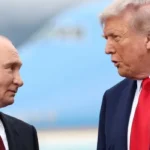
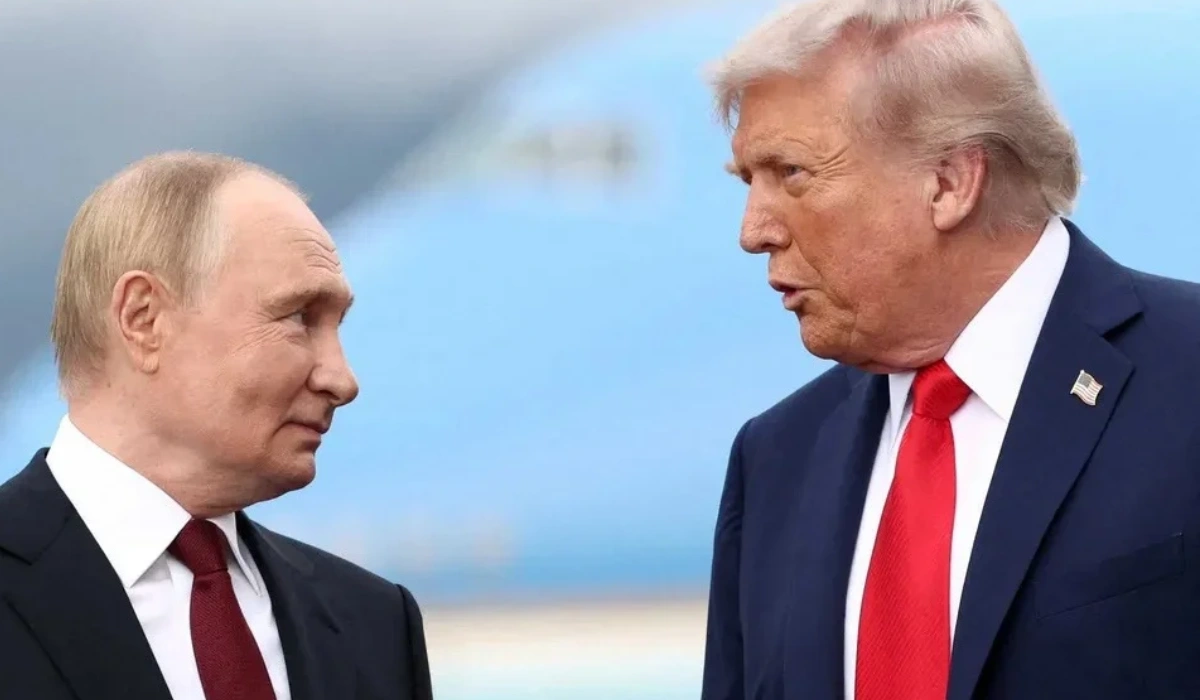
- Diplomatic Link to Peace Negotiations: Russian President Vladimir Putin discussed the Polar LNG venture during high-level peace talks with US envoys Steve Witkoff and Jared Kushner, as White House officials viewed energy agreements as a commercial mechanism to normalize diplomatic ties with Moscow.
- Legal Warnings and Sanctions Waivers: Memos from US law firm Baker Botts flagged severe compliance risks regarding Treasury Department regulations, occurring as President Donald Trump issued a temporary waiver on certain Russian sanctions to maintain momentum in bilateral peace discussions.
Moscow (Moscow News Daily) October 24, 2026 — Former Chief Executive Officer Joel Riddle has revealed that Alaskan energy startup Polar LNG received covert financial backing from sanctioned Russian energy major Novatek during diplomatic negotiations between Washington and Moscow. According to investigative reports and text messages obtained by media outlets, Novatek executives arranged transfers of up to $15 million via an Abu Dhabi parent entity while Russian President Vladimir Putin discussed the project with US envoys Steve Witkoff and Jared Kushner. The revelations prompted a mass exodus of Polar LNG’s executive leadership team over federal sanctions breach risks, placing the $25 billion natural gas project under intense regulatory scrutiny.
- Key Points
- How Was the Covert Russian Financing of Polar LNG Structured?
- What Role Did Polar LNG Play in US–Russia Peace Negotiations?
- What Were the Legal and Sanctions Concerns Raised by Whistleblowers?
- Background of US Energy Sanctions and the Alaska LNG Infrastructure Dispute
- Prediction: How This Development Will Affect Energy Markets, Lawmakers, and Diplomatic Stakeholders
As reported by Kenneth P. Vogel, Eric Lipton, and Maggie Haberman of The New York Times, former Chief Executive Officer Joel Riddle resigned from Alaska-based startup Polar LNG after discovering that the company was secretly financed and directed by Novatek PJSC, a major Russian gas producer subject to United States Treasury Department sanctions. The $25 billion liquefied natural gas (LNG) export project, designed to transport gas from Alaska’s North Slope, had emerged as a central commercial element in broader diplomatic peace talks conducted between Russian President Vladimir Putin and US envoys Steve Witkoff and Jared Kushner.
As reported by David Sheppard, Malcolm Moore, and Stefania Palma of the Financial Times, Joel Riddle and three senior executives—Chief Financial Officer Dan Chandra, Executive Vice-President Jim Smith, and Executions Manager Jody Trantham—departed the company after identifying undisclosed capital flows routed through Tech Wave, an Abu Dhabi-based parent firm. The executive departures occurred amidst warnings from legal counsel regarding severe violations of federal sanctions law, prompting the former management team to formally alert federal law enforcement and energy authorities.
How Was the Covert Russian Financing of Polar LNG Structured?
As reported by Kenneth P. Vogel of The New York Times, Joel Riddle stated that he was initially led to believe that Polar LNG’s operational funding originated entirely from legitimate investment entities based in the United Arab Emirates. However, internal communications and financial records later revealed direct operational and financial involvement by Novatek executives.
According to internal text messages reviewed by The New York Times, Novatek Deputy Chairman Denis Solovyov and Chief Executive Leonid Mikhelson coordinated sending as much as $15 million to Tech Wave, the Abu Dhabi-registered parent entity of Polar LNG.
In one text message sent to Joel Riddle in early September 2026, Novatek Deputy Chairman Denis Solovyov wrote: “The first 5 million were supposed to arrive by today.”
In a statement provided to The New York Times, a spokesperson for Novatek confirmed the company’s involvement, stating that the Russian energy giant was actively moving to formally acquire a “minority shareholder” position in the Alaskan venture.
Responding to the allegations, Polar LNG issued a corporate statement naming Tim Talkington—the former chief executive of Goldman Sachs’ Russian unit—as acting chief executive officer. The company dismissed Joel Riddle’s account, characterizing him as a “disgruntled former employee” who was terminated for cause. However, corporate documents obtained by The New York Times demonstrate that Riddle formally submitted his resignation letter six days before Polar LNG issued a retrospective termination letter.
What Role Did Polar LNG Play in US–Russia Peace Negotiations?
As reported by Eric Lipton of The New York Times, the Polar LNG venture was incorporated into high-level diplomatic channels aimed at ending the military conflict in Ukraine. Russian President Vladimir Putin discussed the Alaskan energy initiative with US Special Envoy Steve Witkoff and senior presidential advisor Jared Kushner during confidential talks. White House officials viewed joint commercial energy ventures as a viable mechanism to establish economic goodwill and smooth diplomatic relations with Moscow.
As reported by EA WorldView, the push to integrate Novatek equipment and technology into the Alaskan project was initially facilitated by Gentry Beach, a Texas businessman and long-time university friend of Donald Trump Jr. Gentry Beach stated in February 2026 that he had conducted preliminary negotiations with Novatek leadership regarding technical cooperation.
Addressing the connection, a spokesman for Donald Trump Jr. clarified that Donald Trump Jr. and Gentry Beach are no longer close associates. Simultaneously, Novatek issued a statement asserting that Gentry Beach played no active role in its direct negotiations regarding an equity stake in Polar LNG. Investigative reports noted there is no indication that envoys Steve Witkoff or Jared Kushner were aware of the secret funding arrangements between Novatek and Polar LNG at the time of their diplomatic discussions.
What Were the Legal and Sanctions Concerns Raised by Whistleblowers?
As reported by David Sheppard of the Financial Times, the legal exposure surrounding Polar LNG escalated after Congress passed updated economic sanctions targeting Russian energy exports. Legal memos prepared by law firm Baker Botts and attached to Joel Riddle’s formal resignation letter confirmed that Treasury Department sanctions enforcement officials had flagged “potential Russia-related sanctions concerns” regarding the venture’s organizational structure and executive leadership.
Despite statutory blacklisting of Novatek by the US Department of the Treasury, President Donald Trump exercised executive authority to temporarily waive certain Russia-related sanctions, publicly maintaining that temporary regulatory flexibility was essential to preserve the momentum of ongoing peace negotiations.
Critical of the commercial arrangement, Geoffrey Pyatt, a former Assistant Secretary of State for Energy Resources under President Joe Biden, warned that allowing sanctioned Russian entities into domestic US energy infrastructure “feeds the belief that Putin can get an out-of-jail-free card.”
Reflecting on his decision to resign and notify federal authorities, former CEO Joel Riddle stated to The New York Times: “It’s not only unlawful, but it’s not in the U.S. interest.”
Riddle added: “I felt like I did the right thing to notify authorities at the appropriate time.”
According to reporting by The New York Times, Joel Riddle and the departing executive team formally notified the Department of Energy and federal law enforcement agencies regarding the covert Russian funding, requesting a formal investigation into Tech Wave and Polar LNG. The Department of Energy did not issue a public response to media inquiries.
Background of US Energy Sanctions and the Alaska LNG Infrastructure Dispute
The regulatory controversy surrounding Polar LNG sits at the intersection of long-standing US energy policy and strict economic sanctions enacted against the Russian Federation. Following the escalation of military conflict in Ukraine in 2022, the United States Department of the Treasury’s Office of Foreign Assets Control (OFAC) placed comprehensive sanctions on Russia’s natural gas export sector. Novatek PJSC, Russia’s largest independent natural gas producer, was explicitly targeted under federal sanctions packages designed to restrict its access to Western capital markets, engineering technology, and specialized maritime transportation.
In Alaska, state leaders and private developers have spent decades seeking commercial partners to construct a viable natural gas pipeline and export terminal on the North Slope. The proposed $25 billion infrastructure project aims to capture vast natural gas reserves trapped inland, liquefy the gas, and export it to high-demand Asian markets.
However, high capital costs and environmental regulatory requirements have repeatedly hindered domestic funding. The attempt by Polar LNG to bypass international capital hurdles by utilizing offshore holdings in Abu Dhabi—while simultaneously attempting to license Novatek’s proprietary Arctic gas technology—created severe compliance conflicts with federal national security laws governing critical domestic energy assets.
Prediction: How This Development Will Affect Energy Markets, Lawmakers, and Diplomatic Stakeholders
The exposure of covert Russian funding behind Polar LNG and the subsequent whistleblower alerts create significant repercussions across political, legal, and commercial landscapes:
1. Congressional Committees and Regulatory Oversight Bodies
In Washington, the revelation that a sanctioned Russian energy giant covertly financed a major American infrastructure project while high-level peace talks were underway will trigger immediate oversight inquiries. Bipartisan congressional committees are expected to issue subpoenas for Treasury, Energy, and State Department records, alongside financial audits of offshore intermediaries like Tech Wave, to determine if federal sanctions laws were subverted.
2. Global Energy Investors and North Slope Project Partners
For international energy investors and Alaskan state planners, the legal entanglements surrounding Polar LNG severely compromise the commercial viability of the $25 billion North Slope export initiative. With the executive leadership team resigned and federal law enforcement alerted, institutional lenders and commercial partners will likely freeze capital allocations until clear legal boundaries are re-established regarding Russian technology licensing and foreign equity control.
3. Diplomatic Negotiators and White House Foreign Policy Teams
For diplomatic envoys managing US–Russia peace negotiations, the scandal imposes strict boundaries on using energy assets as bargaining chips. The public exposure of Novatek’s covert involvement will make it politically difficult for the administration to grant further sanctions waivers for Russian state-linked enterprises without facing severe pushback from Congress and international allies.