Key Points
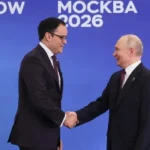
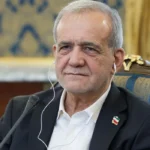
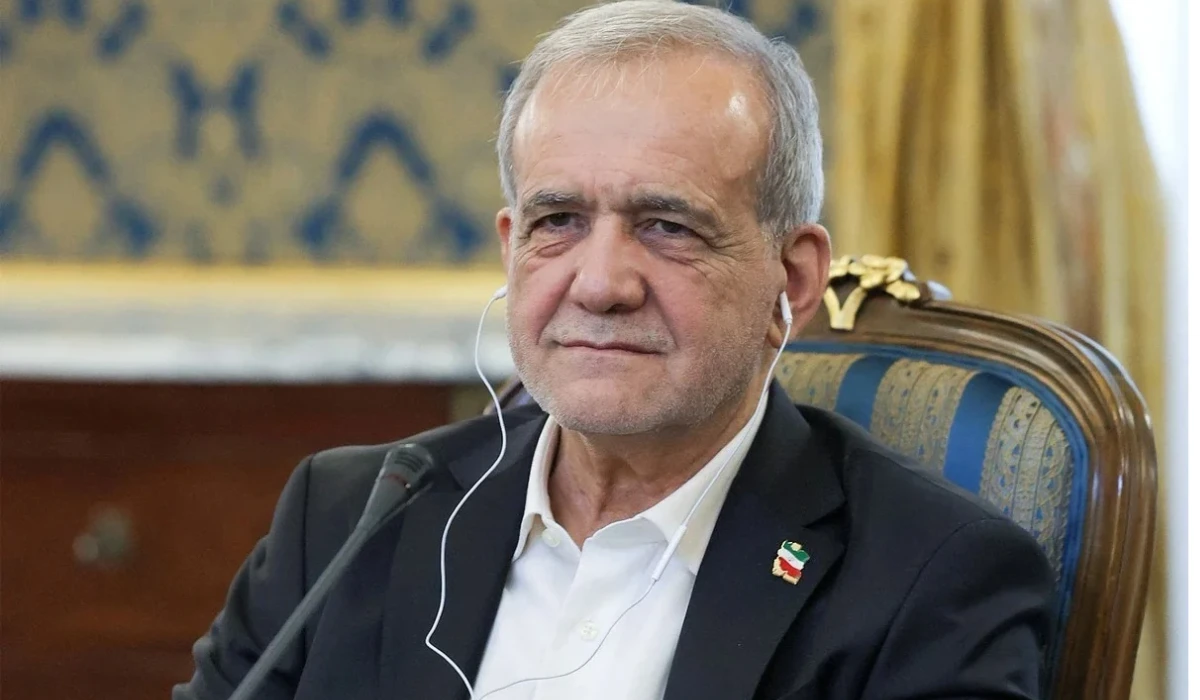
- High-Level Bilateral Dialogue: Iranian President Masoud Pezeshkian convened a formal meeting with Qatar’s Emir, Sheikh Tamim bin Hamad Al Thani, in Moscow on Tuesday, 27 October 2026.
- Sidelines of Major Energy Forum: The diplomatic engagement took place during the 8th Gas Exporting Countries Forum (GECF) summit hosted in the Russian capital.
- Focus on Economic & Political Ties: Official reports from Iranian state media confirmed that the core agenda focused on evaluating current bilateral relations, deepening trade and political cooperation, and leveraging mutual economic potential.
- Omission of Ongoing War in Official Readouts: Public statements released by Iranian state television made no explicit reference to discussions regarding the wider Middle East war that escalated following US-Israeli strikes on 28 February and subsequent regional retaliatory actions.
- Qatar’s Strategic Mediation Role: The meeting underlines Qatar’s ongoing involvement in multi-party mediation efforts aimed at ending regional hostilities, operating alongside broader diplomatic channels.
- Subsequent Kremlin Engagements: Following their bilateral session, President Pezeshkian and Emir Tamim were scheduled to hold separate high-level talks with Russian President Vladimir Putin.
Moscow (Moscow News Daily) October 27, 2026 – Iranian President Masoud Pezeshkian met on Tuesday with Qatar’s Emir, Sheikh Tamim bin Hamad Al Thani, in Moscow on the sidelines of an international energy forum. The high-level talks focused primarily on evaluating bilateral relations and exploring strategies to enhance political and economic cooperation between Tehran and Doha. According to readouts carried by Iranian state broadcasts, both leaders emphasized capitalizing on existing capabilities to strengthen ties across trade and energy sectors. The meeting precedes additional scheduled diplomatic sessions with Russian President Vladimir Putin in the capital.
- Key Points
- What Was Announced Regarding the Meeting Between President Pezeshkian and Emir Tamim bin Hamad Al Thani?
- Was the Wider Middle East War Addressed in the Official Readouts?
- How Does the Gas Exporting Countries Forum Facilitate Regional Alignment?
- What Are the Next Diplomatic Meetings Scheduled in Moscow?
- Background of the Particular Development
- How This Development Can Affect Global Energy Markets and Regional Stakeholders
What Was Announced Regarding the Meeting Between President Pezeshkian and Emir Tamim bin Hamad Al Thani?
As reported by Iranian state media broadcasters on Tuesday, 27 October 2026, Iranian President Masoud Pezeshkian held a formal bilateral session with Qatar’s Emir Sheikh Tamim bin Hamad Al Thani in Moscow.
As reported by Iranian state television, “The two sides reviewed the current state of relations between Tehran and Doha and emphasized the importance of deepening political and economic ties and making use of existing potential to strengthen bilateral cooperation.”
As reported by the official Iranian news agency IRNA, discussions between the two heads of state covered mutual economic interests, natural gas coordination, and trade expansion within the framework of the Gas Exporting Countries Forum (GECF) summit.
As reported by Press TV, the bilateral dialogue was conducted on the sidelines of the 8th GECF summit, where both nations underscored the importance of institutional stability and joint commercial initiatives.
Was the Wider Middle East War Addressed in the Official Readouts?
As reported by Iranian state television, there was no mention of discussion regarding the broader Middle East war during the public readouts of the bilateral session. The regional conflict was triggered by US-Israeli strikes on 28 February against targets in Iran, after which Tehran responded with missile and drone strikes across the region, including areas affecting Qatar.
Despite the absence of explicit references to military operations in official media summaries, observers highlight the geopolitical significance of the gathering. Qatar has actively participated in recent months in mediation efforts intended to end the war, which has spread across multiple fronts in the region.
How Does the Gas Exporting Countries Forum Facilitate Regional Alignment?
What Role Does the Moscow Summit Play in Energy Diplomacy?
The 8th Gas Exporting Countries Forum (GECF) summit brings together leading natural gas-exporting nations—including Iran, Qatar, Russia, Algeria, Egypt, Nigeria, and the UAE—marking a quarter-century of international energy cooperation in 2026. The forum’s agenda emphasizes producer coordination, long-term market security, and the protection of shared energy infrastructure.
How Do Tehran and Doha Coordinate on Shared Energy Assets?
Iran and Qatar share the world’s largest offshore natural gas field—known as South Pars in Iran and the North Field in Qatar—requiring ongoing technical dialogue and diplomatic coordination. The Moscow summit provided a structured platform for both governments to align policy stances on global gas markets, infrastructure maintenance, and export strategies amidst global market pressures.
What Are the Next Diplomatic Meetings Scheduled in Moscow?
As reported by Reuters news agency, citing statements from Kremlin aide Yuri Ushakov, Russian President Vladimir Putin scheduled separate meetings in Moscow on Tuesday with both President Masoud Pezeshkian and Emir Tamim bin Hamad Al Thani following the GECF summit proceedings.
As reported by Iranian Foreign Minister Abbas Araghchi, President Pezeshkian’s itinerary in Moscow includes high-level discussions with Russian leadership to address both bilateral agreements and broader regional security concerns.
As reported by Russian state media in early October, President Vladimir Putin previously stated that Russia was prepared to take part in mediation efforts to bring an end to the ongoing Middle East war.
Background of the Particular Development
The meeting between President Pezeshkian and Emir Tamim in Moscow takes place against a backdrop of complex regional security challenges and global energy market realignments. Following the military escalation on 28 February, regional airspace and maritime trade routes experienced significant disruption, impacting Gulf economies and international trade flows.
Throughout the ongoing crisis, Qatar has served as a central diplomatic mediator, facilitating communications between opposing regional and international actors. Concurrently, Russia has maintained strategic diplomatic engagements with both Tehran and Doha, hosting the GECF summit as a platform for economic coordination and quiet diplomacy among major energy exporters. The convergence of Iranian, Qatari, and Russian leadership in Moscow reflects ongoing efforts to balance domestic economic priorities with regional crisis management.
How This Development Can Affect Global Energy Markets and Regional Stakeholders
The bilateral engagements between Iranian, Qatari, and Russian leadership in Moscow are anticipated to influence several strategic sectors:
- Global Gas Producers and Energy Investors:Continued high-level dialogue within the GECF framework signals policy stability among major natural gas producers regarding supply management and infrastructure protection. However, persistent sanctions and regional security risks are expected to keep global energy investors cautious regarding major long-term infrastructure commitments.
- Regional Diplomatic and Conflict Resolution Observers: The direct dialogue between Iran and Qatar, held alongside separate sessions with Russian leadership, indicates that multi-channel communication channels remain active. Conflict resolution analysts view these high-level contacts as critical touchpoints for potential diplomatic de-escalation frameworks mediated by regional and international stakeholders.
- International Policy Makers: Governments and security institutions monitoring Middle Eastern stability will closely analyze outcomes from the Moscow summit to assess whether economic alignment among energy producers leads to broader diplomatic shifts or coordinated peace proposals.