Key Points
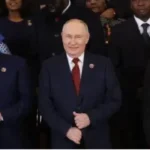
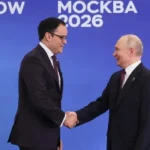
- High-Level Attendance: Russian President Vladimir Putin hosted leaders and delegates from nearly 50 African nations—including around 20 heads of state—at the third Russia-Africa summit in Moscow, which wrapped up on Thursday.
- Shared Strategic Vision: Speaking inside the Kremlin, President Putin framed Russia and Africa as “natural allies in building a multipolar, genuinely democratic world order, free from diktat and double standards”.
- Call for UN Reform: Echoing statements made by Kenyan President William Ruto, President Putin publicly agreed that the absence of permanent African representation on the United Nations Security Council is “unfair”.
- Bilateral Trade Expansion: President Putin highlighted that commercial trade between Russia and African states surpassed $27 billion over the previous year, with Moscow actively pursuing major investments in energy, mining, industrial manufacturing, and agricultural logistics.
- Distinction from Imperial Legacies: Contrasting Moscow’s approach with historical Western practices, Putin asserted that Russian commercial entities operate with integrity, choosing to reinvest earnings locally, transfer advanced technologies, and create sustainable regional jobs rather than exploit resources.
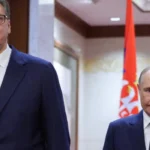
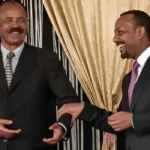
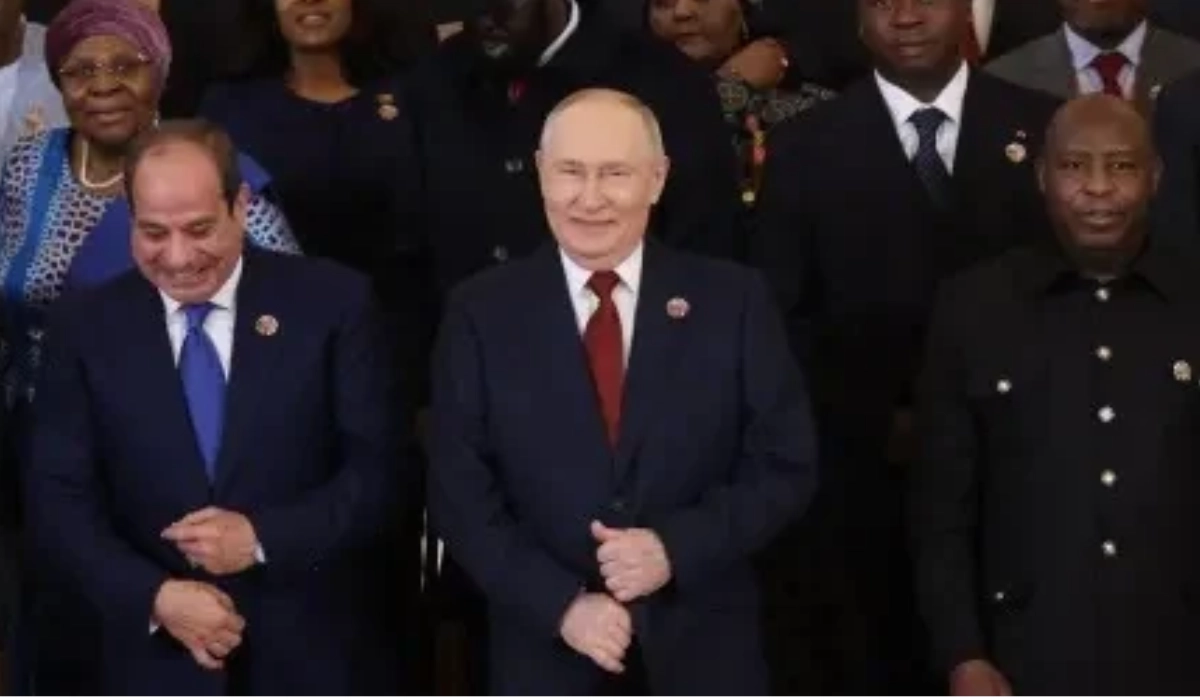
MOSCOW (Monaco Weekly Newspaper) October 29, 2026 – Russian President Vladimir Putin concluded the high-profile Russia-Africa summit in Moscow by championing strong bilateral ties and positioning Moscow as a trusted partner against historical Western dominance. Addressing leaders from nearly 50 nations gathered at the Kremlin, Putin emphasized shared anti-colonial roots, backed African demands for permanent seats on the United Nations Security Council, and reported that trade volumes had cleared $27 billion. Accompanied by prominent African heads of state such as Egyptian President Abdel Fattah el-Sisi and Kenyan President William Ruto, the summit underscored the Kremlin’s sustained diplomatic campaign to expand its geopolitical influence across the African continent.
- Key Points
- Why did Russian President Vladimir Putin describe Russia and Africa as “natural allies”?
- What did African leaders and President Putin say regarding United Nations Security Council representation?
- How is Moscow expanding economic and trade partnerships with African nations?
- Background of the particular development
- Prediction: How this development can affect African governments, Russian foreign policy, and international trade networks
Why did Russian President Vladimir Putin describe Russia and Africa as “natural allies”?
The second day of the high-level summit in Moscow brought leaders together inside the historic Kremlin halls to evaluate bilateral relations and chart future cooperation frameworks. Opening the plenary discussions, Russian President Vladimir Putin underscored the historical continuity binding Moscow to the African continent, pointing back to Soviet-era support during anti-colonial liberation struggles.
President Vladimir Putin stated that “Russia and Africa are united by truly strong bonds of friendship and close partnership.”
Elaborating on the geopolitical alignment between Moscow and developing economies, President Vladimir Putin added: “We are natural allies in building a multipolar, genuinely democratic world order, free from diktat and double standards and based on respect for the norms of international law and the fundamental principles of the United Nations Charter.”
Reiterating the Kremlin’s official stance on national independence, President Vladimir Putin emphasized: “Russia has always been and remains committed to seeing African nations defend their sovereignty, achieve steady growth, and strengthen their economies and social sectors. We stand ready to continue working together with you across all these areas to achieve these goals.”
What did African leaders and President Putin say regarding United Nations Security Council representation?
With Africa representing a population of nearly 1.6 billion people and comprising the largest voting block of 54 member states within the United Nations, discussions heavily centered on global governance reform and equitable international representation.
Egyptian President Abdel Fattah el-Sisi addressed the assembly, noting that “Africa’s security and stability remain an essential condition for achieving the aspirations of its peoples.”
Expanding on structural inequities in international bodies, Kenyan President William Ruto argued that “the international order must reflect the world as it is today, not the world as it was in 1945,” asserting that Africa “can’t continue without permanent representation on the United Nations Security Council.”
Responding directly to the appeal during the summit sessions, President Vladimir Putin voiced immediate agreement, noting that “the absence of African representatives at the U.N. Security Council is unfair.”
How is Moscow expanding economic and trade partnerships with African nations?
Beyond diplomatic alignment, the summit served as a platform to drive commercial ties. President Vladimir Putin pointed out that trade between Russia and African countries exceeded $27 billion during the previous year, pledging to scale up economic involvement through structured joint ventures.
Detailing current commercial engagements, President Vladimir Putin noted that Russian enterprises are executing major investment projects across strategic sectors, including energy infrastructure, hard-mining, industrial manufacturing, and regional logistics.
Contrasting Russian commercial methodologies with historical models, President Vladimir Putin stated: “Our business community approaches cooperation with African partners with honesty, respect, and integrity, conducting business on an equal footing.”
Critiquing past practices of Western nations, President Vladimir Putin further declared that Russian companies operate “rather than siphoning off profits in the manner of the colonial practices by former imperial powers, they reinvest their earnings into the development of your national economies, they readily share advanced technologies and expertise, broadly engage local subcontractors, and help create new production facilities and jobs.”
Background of the particular development
The Russia-Africa summit format was originally established to reset and expand Moscow’s post-Soviet diplomatic, security, and economic footprint across the continent. Following the inaugural summit held in Sochi in 2019 and the second gathering hosted in St. Petersburg in 2023, this week’s meetings in Moscow represent the third major iteration of the high-level dialogue.
Against the backdrop of broader geopolitical realations following Western sanctions over the conflict in Ukraine, Russia has intensified efforts to cement alliances with Global South nations. Africa’s 54 United Nations member states represent a vital voting constituency in international organizations, making diplomatic engagement a high priority for the Kremlin. Concurrently, African nations are seeking diversified economic partnerships, agricultural security—particularly concerning wheat and fertilizer imports—and technological cooperation to accelerate domestic industrialization.
Prediction: How this development can affect African governments, Russian foreign policy, and international trade networks
The outcomes of the Moscow summit are positioned to reshape diplomatic dynamics and commercial frameworks across multiple spheres:
- For African Governments and Regional Blocs: Increased diplomatic alignment with Moscow and unified advocacy for United Nations Security Council reform strengthen Africa’s collective bargaining power within multilateral institutions, amplifying demands for structural equity in global governance.
- For Russian Foreign Policy and Economic Strategy: Expanding bilateral trade past the $27 billion threshold provides Moscow with critical economic lifelines and alternative export markets, helping mitigate the impact of Western trade restrictions while securing vital mineral and agricultural supply chains.
- For International Trade and Western Competitiveness: As Russian state and private enterprises deepen investments in African energy, mining, and infrastructure projects, traditional Western economic dominance on the continent faces heightened competition, accelerating a multi-polar commercial landscape across developing economies.