Key Points
- Third Russia-Africa Summit Convenes:A high-level two-day summit commenced in Moscow, gathering delegations from 48 African nations, including 22 represented directly by heads of state or government.
- Building a “Multipolar World”: Kremlin officials and Russian President Vladimir Putin characterized African nations as “natural allies,” framing the partnership as an “irreversible” shift away from Western global dominance.
- Economic and Agricultural Guarantees: Moscow pledged to expand agricultural shipments, localize Russian vaccine and pharmaceutical manufacturing across Africa, and share advanced digital and security technologies.
- Bilateral High-Stakes Diplomacy:President Putin scheduled over 20 bilateral engagements, including meetings with Malian transitional leader Assimi Goïta and Democratic Republic of Congo President Félix Tshisekedi.
- Controversy Over Conscription and Human Rights: The summit faces international scrutiny following reports of African nationals being deceptively or forcibly recruited into the Russian military to fight in Ukraine, prompting formal protests from Amnesty International.
MOSCOW (Moscow News Daily) October 28, 2026 – Russian President Vladimir Putin opened the third Russia-Africa Summit in Moscow on Wednesday, declaring that the era of Western international dominance has irrevocably passed and framing African nations as “natural allies” in constructing a multipolar global order. Attended by delegations from 48 African countries—including 22 heads of state—the two-day summit aims to deepen economic, agricultural, technological, and security cooperation between Moscow and the continent. As Moscow seeks to counter heavy Western sanctions stemming from its military operations in Ukraine, the Kremlin unveiled plans to sign 33 commercial agreements, expand agricultural exports, and localize pharmaceutical production across African partners. However, the diplomatic offensive unfolds amidst mounting alarm from human rights organizations regarding the alleged forced conscription of African foreign nationals into Russian armed forces.
- Key Points
- How Is Russia Positioned to Build a “Multipolar World Order” with African Allies?
- What Economic, Agricultural, and Technological Agreements Were Announced in Moscow?
- How Are Regional Conflicts in the Sahel and Great Lakes Impacting Summit Diplomacy?
- What Concerns Have Been Raised Regarding the Forced Conscription of African Nationals?
- Background of Russia-Africa Summits and Strategic Alignment
- How This Development Will Affect Western-African Relations and Global Geopolitics
How Is Russia Positioned to Build a “Multipolar World Order” with African Allies?
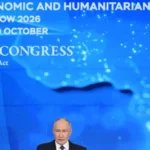
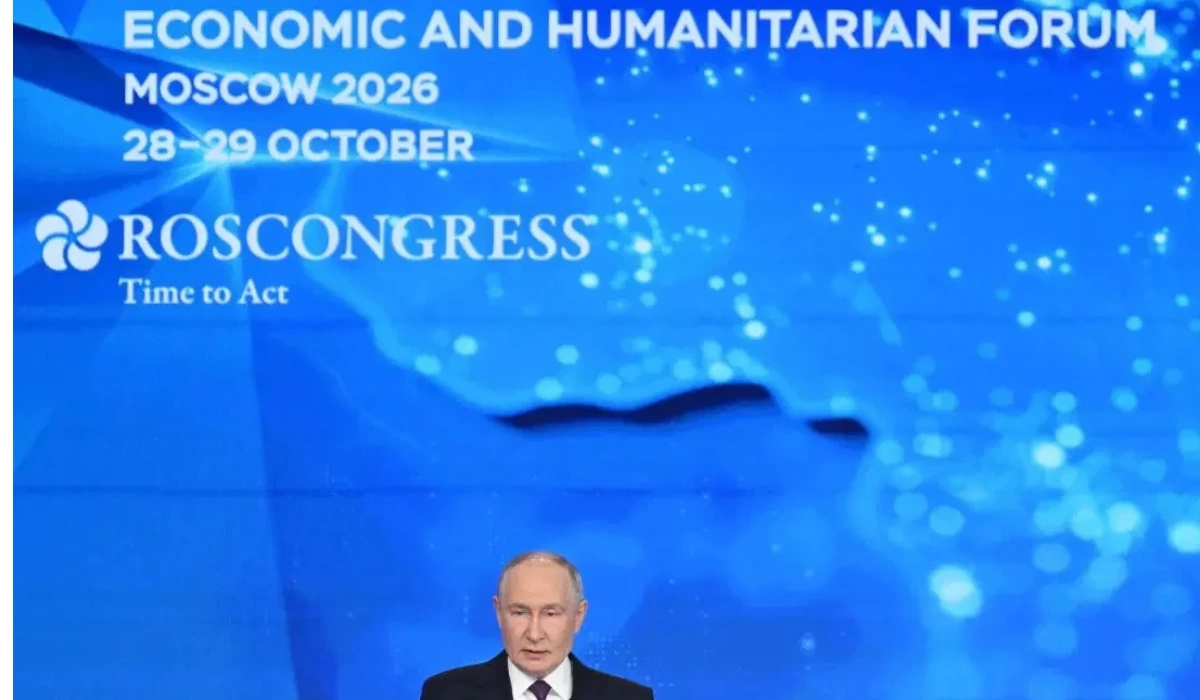
Opening the Russia-Africa Economic and Humanitarian Forum hours before formal summit proceedings began, President Vladimir Putin delivered a broad critique of Western influence in global governance. Addressing thousands of Russian and African corporate executives alongside visiting state delegations, Putin argued that global political dynamics have fundamentally transformed.
“The era when the fate of entire continents was determined by a narrow bloc of states is irrevocably gone,” President Putin stated during his address to delegates, asserting that the transition toward a multipolar international architecture has become an “irreversible” reality.
Elaborating on the strategic alignment between Moscow and the continent, senior Kremlin aide Yuri Ushakov reaffirmed the ideological framework guiding the summit. “We are natural allies in building a multipolar world order,” Ushakov noted, describing a shared vision where geopolitical and economic authority is no longer concentrated within Western capitals.
According to Kremlin diplomatic readouts, Moscow views its diplomatic push in Africa as a historical continuation of Soviet-era anti-colonial ties, positioning itself as a strategic counterweight to the United States and the European Union.
What Economic, Agricultural, and Technological Agreements Were Announced in Moscow?
As reported by Russian state agencies and African media outlets, the two-day summit is expected to conclude on Thursday with the formal signing of 33 bilateral and multilateral agreements focused heavily on trade, infrastructure, and technology.
Addressing food security concerns across importing nations, President Putin pledged that Russia was “prepared to further expand the geographical reach of our agricultural product shipments”. The economic commitment comes despite ongoing maritime security challenges in the Black Sea that have disrupted traditional grain export routes from both Russia and Ukraine.
Beyond raw commodity exports, Moscow presented several specialized technological initiatives:
- Pharmaceutical Localization: President Putin announced comprehensive plans to “localise” the production of “effective Russian medicines and vaccines” directly on the African continent to boost regional healthcare sovereignty.
- Digital and High-Tech Transfer: The Russian administration expressed readiness to share “modern competencies and high-tech digital know-how,” spanning telecommunications, artificial intelligence, and administrative e-governance systems.
- Educational Expansion: Russian state officials highlighted that the total enrollment of African university students in Russian educational institutions has swelled by 50 per cent since 2020.
- Diplomatic Footprint: The Kremlin announced the imminent opening of Russia’s 49th embassy on the continent, located in Liberia, alongside joint declarations on artificial intelligence cooperation.
How Are Regional Conflicts in the Sahel and Great Lakes Impacting Summit Diplomacy?
The summit provides a high-level venue for sensitive bilateral discussions regarding regional security architecture, particularly across West Africa’s Sahel region and Central Africa’s Great Lakes district.
In the Sahel, military-led administrations in Mali, Niger, and Burkina Faso have progressively severed historic defense ties with former colonial power France, turning toward Moscow for security assistance and military equipment. As part of a scheduled series of 20 bilateral meetings, President Putin met with Malian transitional President Assimi Goïta, whose military government actively utilizes Russian paramilitaries and security advisers to counter ongoing insurgencies.
Concurrently, the summit served as a backdrop for complex regional diplomacy regarding the ongoing conflict in the eastern Democratic Republic of Congo (DRC). President Putin scheduled a bilateral session with DRC President Félix Tshisekedi amidst continued military clashes involving the Rwandan-backed M23 rebel movement. Rwanda was represented at the Moscow talks by Prime Minister Justin Nsengiyumva, highlighting Moscow’s attempt to navigate intricate diplomatic fault lines while expanding its influence across Central Africa.
What Concerns Have Been Raised Regarding the Forced Conscription of African Nationals?
Despite the diplomatic rhetoric of mutual cooperation, the Moscow summit takes place under the shadow of serious human rights allegations regarding the recruitment of foreign nationals into the Russian military.
In recent months, governments across Africa—including official representatives from Nigeria, Kenya, and South Africa—have publicly expressed severe alarm following reports that their citizens residing or studying in Russia were deceptively coerced or forcibly conscripted to serve on frontlines in Ukraine.
Addressing the assembled heads of state on Tuesday ahead of the summit’s formal opening, human rights organization Amnesty International published an open letter expressing “deep concern regarding Russia’s forced and deceptive recruitment” of African nationals.
In its public appeal, Amnesty International urged visiting African leaders to confront Kremlin officials directly, demanding that Moscow “cease any ongoing and future recruitment of people from Africa and other foreign nationals into its military forces” and facilitate the safe repatriation of affected foreign citizens.
Background of Russia-Africa Summits and Strategic Alignment
The 2026 Moscow gathering represents the third iteration of the Russia-Africa Summit, building upon foundational summits held in Sochi in 2019 and Saint Petersburg in 2023. Following the launch of full-scale military operations in Ukraine in February 2022 and the subsequent imposition of broad economic sanctions by Western nations, Moscow has systematically intensified its diplomatic, economic, and security outreach toward the Global South.
Africa has emerged as a crucial theater for Russian diplomatic strategy. At the United Nations General Assembly, votes from African member states represent a key bloc where Moscow routinely seeks abstentions or opposition against Western-sponsored resolutions condemning its regional policies. Furthermore, Russian state-backed private military companies and security entities—recently reorganized under standardized defense frameworks—have secured significant security partnerships across central and western African nations, providing regime security in exchange for access to natural resources and mining concessions.
How This Development Will Affect Western-African Relations and Global Geopolitics
The consolidation of ties between Moscow and African governments at the third Russia-Africa Summit will trigger notable diplomatic, economic, and security shifts across international relations.
1. Heightened Diplomatic Competition Between Western Powers and Moscow
As Russia expands its physical diplomatic footprint—evidenced by the opening of new embassies and multi-billion-dollar trade commitments—Western nations including the United States, France, and European Union member states will face pressure to recalibrate their engagement strategies. Rather than relying on conditional aid frameworks, Western powers will likely be forced to offer more competitive infrastructure financing, trade access, and technology-transfer agreements to avoid losing strategic influence across key African markets.
2. Operational Challenges for Multilateral Sanctions Frameworks
By establishing localized supply chains, direct Black Sea shipping corridors, and non-Western financial transaction mechanisms, Russia and its African trade partners will increasingly bypass Western economic sanctions. The growth of bilateral trade in local currencies and the implementation of joint pharmaceutical and digital ventures will gradually reduce the efficacy of Western financial restrictions, accelerating the broader fragmentation of global trade networks.
3. Increased Domestic Pressure on African Governments Regarding Citizen Security
The contrast between public summit declarations and allegations of deceptive military recruitment will create domestic political friction for participating African leaders. Returning heads of state will face intense scrutiny from civil society groups, opposition parties, and affected families demanding clear accounting and safety guarantees for African students and workers residing within the Russian Federation.Russia-Africa Summit 2026: Mali’s Assimi Goita Arrives for High-Level Talks With Vladimir Putin
This video report is highly relevant as it provides direct visual coverage of Malian leader Assimi Goïta arriving in Moscow for his scheduled bilateral summit talks with Russian President Vladimir Putin.