
- Warning Over US Force Reductions in Europe: Reducing the United States military presence in Europe amid escalating Russian provocations would weaken NATO’s deterrence posture and signal weakness to Moscow, TVP World News Director Adam Jasser warned during an appearance on TVP World’s News in Depth programme on Thursday, 26 November 2026.
- Reported Postponement of Pentagon Force Review: According to European sources cited by Polish broadcaster TVP World and reported by Necva Tastan Sevinc of Anadolu Agency on 26 November 2026, Washington has postponed its six-month Pentagon review of US forces in Europe—originally expected to produce recommendations in early December 2026—until January 2027, though the Pentagon has not yet issued official confirmation.
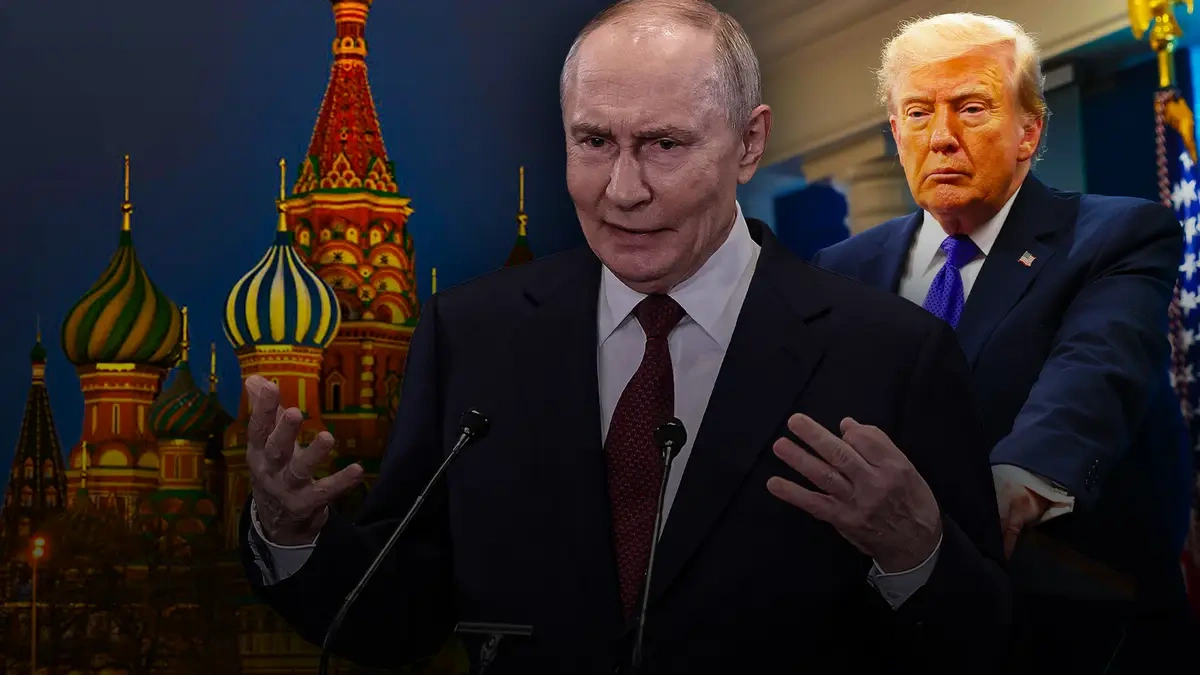
- Mar-a-Lago Talks Between Donald Trump and Mark Rutte: Following their Wednesday, 25 November 2026 meeting at Mar-a-Lago in Florida, US President Donald Trump and NATO Secretary General Mark Rutte released a joint statement urging Russia to avoid actions that intentionally or unintentionally widen the war in Ukraine, with Adam Jasser suggesting Mark Rutte may have persuaded Donald Trump to maintain military pressure on Moscow after recent Russian missile debris and airspace incidents in Poland.
- Congressional Guardrails and the 76,000-Troop Threshold: Existing US federal legislation restricts the Pentagon from lowering American troop numbers in Europe below 76,000 without formal congressional reporting, allied consultations and risk assessments, and Adam Jasser noted that bipartisan resistance in Congress could intensify when the newly elected Congress convenes in January 2027 following the midterm elections.
Moscow (Moscow News Daily) November 27, 2026 – Reducing the US military presence in Europe amid mounting Russian provocations would undermine NATO deterrence and show weakness to Moscow, TVP World News Director Adam Jasser warned on 26 November 2026. Reported across TVP World and Anadolu Agency (Necva Tastan Sevinc), alongside official NATO releases, the assessment follows European reports that Washington may delay its Pentagon force review until January 2027 amid Mar-a-Lago talks and bipartisan congressional opposition.
- Why Would Cutting US Troops in Europe Undermine NATO Deterrence?
- How Did the Mar-a-Lago Meeting Between Donald Trump and Mark Rutte Influence the Debate?
- Why Is US Congressional Opposition Complicating Pentagon Troop Reduction Plans?
- How Do the Key Developments, Figures and Statements Compare?
- Background of the Particular Development After the News
- How This Development Can Affect NATO Allies, Washington Policymakers and Moscow
Reducing the United States military presence in Europe amid mounting Russian provocations would undermine NATO’s deterrence and signal weakness to Moscow, TVP World News Director Adam Jasser warned on Thursday, 26 November 2026, as European sources indicated Washington may postpone its Pentagon review of US forces in Europe until January 2027.
Speaking on TVP World’s News in Depth programme—and covered in international wire reporting by Necva Tastan Sevinc of Anadolu Agency on 26 November 2026—Adam Jasser stated that delaying the Pentagon’s force-posture review into January 2027 would represent a notable shift, although Washington has not yet officially confirmed the postponement. Obtained by TVP World from European diplomatic and security sources, the information comes as Russia intensifies what Adam Jasser characterised as a “shadow war on Europe”.
Why Would Cutting US Troops in Europe Undermine NATO Deterrence?
Reporting from TVP World on 26 November 2026 details Adam Jasser’s assessment of Europe’s continued reliance on American military capabilities despite rising European defence budgets:
- Continued European Dependence on US Capabilities: Although European NATO allies have increased their national defence spending, Adam Jasser argued on TVP World’s News in Depth programme that the alliance will remain dependent on American troops and strategic deterrence capabilities for several years.
- Deterrence Risks Amid Russian Escalation: Warning against pulling back forces while Russian pressure on European borders is increasing, Adam Jasser stated on TVP World: “If he [Trump] were to allow the US to withdraw troops from Europe at the moment when Russia is behaving more and more aggressively towards Europe, that would not be seeking peace through strength. That would be showing weakness.”
How Did the Mar-a-Lago Meeting Between Donald Trump and Mark Rutte Influence the Debate?
Official NATO disclosures published on 26 November 2026 alongside coverage by TVP World and TIME outline the discussions held in Florida between US President Donald Trump and NATO Secretary General Mark Rutte:
- Joint Statement From Mar-a-Lago: Following their Wednesday, 25 November 2026 bilateral meeting at Mar-a-Lago in Palm Beach, Florida, Donald Trump and Mark Rutte issued a joint statement published by NATO on 26 November 2026 emphasising the war between Russia and Ukraine, the conflict involving Iran, and commitments made at the alliance summits in The Hague and Ankara. In their official joint text, Donald Trump and Mark Rutte stated: “We also discussed the importance of Russia avoiding any actions that intentionally, or unintentionally, expand the war, and the importance of obtaining a peaceful resolution to the war as rapidly as possible”.
- Persuasion Following Russian Airspace Violations in Poland: Reviewing the outcome of the Florida talks on TVP World, Adam Jasser suggested that Mark Rutte may have succeeded in persuading Donald Trump of the necessity of maintaining military pressure on Moscow, particularly in the wake of recent Russian missile incursions and debris crashes inside Polish territory. Speaking separately on Thursday, 26 November 2026—as reported by TIME—Donald Trump also stated that he would like to see Russian President Vladimir Putin “pull back all military aggression against territories throughout Europe” in pursuit of a settlement to end the Russia–Ukraine war.
Why Is US Congressional Opposition Complicating Pentagon Troop Reduction Plans?
Coverage by TVP World, Eleanor Watson of CBS News and Artur Marciniak of Defence24 highlights the legislative and political barriers facing any significant drawdown of American forces in Europe:
- Statutory 76,000-Troop Floor and Certification Rules: Existing United States defence legislation restricts the Pentagon’s ability to reduce American troop levels in Europe below 76,000 personnel—or close bases and withdraw major equipment—without consulting NATO allies, conducting a detailed security risk assessment and submitting formal congressional certifications and reports.
- Bipartisan Resistance Ahead of the January 2027 Congress: Adam Jasser pointed to strong bipartisan opposition in the US Congress to reducing America’s military footprint in Europe—a dynamic underscored earlier in 2026 when Senate Armed Services Committee Chairman Senator Roger Wicker of Mississippi and House Armed Services Committee Chairman Representative Mike Rogers of Alabama criticised the May 2026 withdrawal of 5,000 US troops from Germany. Adam Jasser argued on TVP World that congressional resistance to further troop cuts could grow even stronger when the newly elected Congress convenes in January 2027 following the midterm elections.
How Do the Key Developments, Figures and Statements Compare?
A structured summary compiles the timelines, statutory thresholds and diplomatic developments reported across the sources:
| Factor or Event | Reported Detail | Source / Attribution |
| Pentagon Force Review Timeline | Six-month review launched in June 2026 by Defense Secretary Pete Hegseth; originally expected to deliver recommendations in early December 2026, now reportedly postponed until January 2027 (unconfirmed by Washington) | TVP World; Necva Tastan Sevinc of Anadolu Agency; Eleanor Watson of CBS News |
| Statutory Troop Floor | US legislation prohibits reducing American troop strength in Europe below 76,000 without congressional reporting, certification, risk assessment and allied consultation | TVP World; Artur Marciniak of Defence24 |
| Mar-a-Lago Summit (25 November 2026) | US President Donald Trump and NATO Secretary General Mark Rutte issued a joint statement urging Russia to avoid actions that widen the war in Ukraine and backing continued defence spending | NATO Official Release; TVP World |
| Key Assessment on Deterrence | TVP World News Director Adam Jasser warned that withdrawing US troops during heightened Russian aggression would undermine NATO deterrence and show weakness rather than “peace through strength” | Adam Jasser of TVP World (News in Depth) |
Background of the Particular Development After the News
In June 2026, US Defense Secretary Pete Hegseth announced a six-month global posture and European force review at a meeting of NATO defence ministers, following a May 2026 decision to withdraw 5,000 American troops from Germany that drew bipartisan pushback from senior lawmakers on Capitol Hill.
While subsequent November 2026 reporting by Bloomberg and Defence24 indicated that any overall European drawdown was expected to be far smaller than earlier speculation of up to 25,000 personnel—and could be paired with reinforcements along NATO’s eastern flank in countries such as Poland and Estonia—recent Russian airspace violations over Polish territory have intensified debate over the timing and scope of the Pentagon’s review.
How This Development Can Affect NATO Allies, Washington Policymakers and Moscow
Postponing the Pentagon’s European force review until January 2027—while maintaining existing statutory troop protections—carries practical implications across several groups:
1. European NATO Allies and Eastern Flank States
For frontline states such as Poland and the Baltic republics, delaying force-posture recommendations past December 2026 preserves immediate US troop levels and deterrence guarantees while European capitals continue scaling up domestic defence budgets and air-defence readiness.
2. The White House, the Pentagon and the Incoming 2027 US Congress
For President Donald Trump, Defense Secretary Pete Hegseth and Pentagon planners, deferring final force decisions until January 2027 means any proposal to alter European deployments will be reviewed by a newly seated Congress equipped with statutory oversight rules around the 76,000-troop floor.
3. Moscow’s Strategic Calculations
For Russian leadership weighing hybrid operations, airspace incursions and military pressure along NATO’s borders, sustained coordination between Washington and NATO Secretary General Mark Rutte—paired with intact US force deployments—signals continuity in transatlantic deterrence rather than a near-term American retrenchment.