
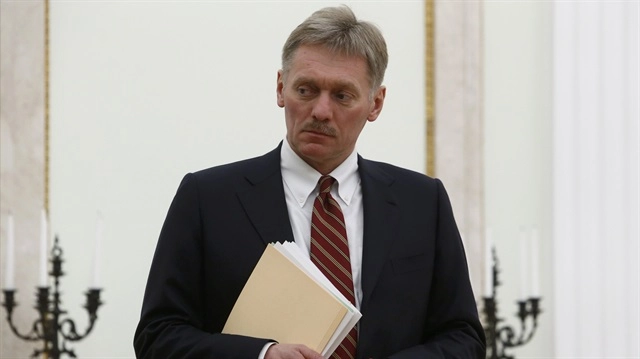
- No Putin Meeting Announced Ahead of Moscow Trip: Kremlin spokesman Dmitry Peskov told reporters that U.S. Secretary of State Rex Tillerson was not scheduled to meet Russian President Vladimir Putin during his visit to Moscow later that week, though Rex Tillerson would meet Russian Foreign Minister Sergei Lavrov.
- Criticism of U.S. Missile Strikes on Syria: Commenting on U.S. missile strikes against Syria the previous week, Dmitry Peskov said the action demonstrated Washington’s total unwillingness to cooperate on Syria.
- Stance on Bashar al-Assad: Dmitry Peskov said renewed calls for Syrian President Bashar al-Assad to step down would not help resolve the Syrian crisis.
- Insistence on Geneva and Astana Talks: Dmitry Peskov stated that there is no alternative to peace talks in Geneva and Astana.
Moscow (Moscow News Daily) November 25, 2026 – Kremlin spokesman Dmitry Peskov stated that U.S. Secretary of State Rex Tillerson was not due to meet Russian President Vladimir Putin on his visit to Moscow later that week, while confirming talks with Foreign Minister Sergei Lavrov. Reported by Reuters (and carried across outlets including Yeni Şafak, The Moscow Times and The Jerusalem Post), Dmitry Peskov also criticised U.S. missile strikes on Syria, rejected calls for Syrian President Bashar al-Assad to step down and said there is no alternative to peace talks in Geneva and Astana.
- Why Did the Kremlin Say Rex Tillerson Was Not Due to Meet Vladimir Putin in Moscow?
- What Did Dmitry Peskov Say About U.S. Missile Strikes, Bashar al-Assad and Peace Talks?
- How Do the Key Points From Dmitry Peskov’s Briefing Compare?
- Background of the Particular Development After the News
- How This Development Can Affect Diplomats, Negotiators and Observers
As reported by Reuters (and carried in coverage by Yeni Şafak, The Moscow Times and The Jerusalem Post), Kremlin spokesman Dmitry Peskov told reporters that U.S. Secretary of State Rex Tillerson was not due to meet Russian President Vladimir Putin when he visited Moscow later that week.
Dmitry Peskov confirmed that Rex Tillerson would meet Russian Foreign Minister Sergei Lavrov during the trip. Addressing recent U.S. missile strikes against Syria, Dmitry Peskov said the action showed Washington’s total unwillingness to cooperate on Syria, argued that renewed calls for Syrian President Bashar al-Assad to step down would not help resolve the conflict, and said there is no alternative to peace talks in Geneva and Astana.
Why Did the Kremlin Say Rex Tillerson Was Not Due to Meet Vladimir Putin in Moscow?
Reporting from Reuters (and reflected in Yeni Şafak, The Moscow Times, The Jerusalem Post and Interfax) sets out the Kremlin’s initial scheduling remarks ahead of Rex Tillerson’s visit to Moscow:
- Dmitry Peskov’s Remarks on the Moscow Schedule: As reported by Reuters (and cited by Yeni Şafak, The Moscow Times and The Jerusalem Post), Kremlin spokesman Dmitry Peskov told reporters that U.S. Secretary of State Rex Tillerson was not due to meet Russian President Vladimir Putin when he visited Moscow later that week, while stating that Rex Tillerson would meet Russian Foreign Minister Sergei Lavrov.
- Subsequent Developments in Coverage: In broader reporting on the visit (such as coverage by The Guardian, NPR/CapRadio and The Times of Israel), officials later noted that a meeting between Vladimir Putin and Rex Tillerson could depend on the talks with Sergei Lavrov, and Rex Tillerson ultimately met both Sergei Lavrov and Vladimir Putin in Moscow.
What Did Dmitry Peskov Say About U.S. Missile Strikes, Bashar al-Assad and Peace Talks?
Coverage by Reuters and Yeni Şafak records Dmitry Peskov’s assessment of U.S.–Russia cooperation over Syria, leadership demands in Damascus and diplomatic tracks:
- Criticism of U.S. Missile Strikes and Calls for Bashar al-Assad to Step Down: As reported by Reuters and Yeni Şafak, Dmitry Peskov said the U.S. missile strikes against Syria the previous week demonstrated Washington’s total unwillingness to cooperate on Syria, and stated that renewed calls for Syrian President Bashar al-Assad to step down would not help resolve the crisis.
- Statement on Geneva and Astana Peace Talks: According to Reuters and Yeni Şafak, Dmitry Peskov said of peace talks in Geneva and Astana: “There is no other alternative”.
How Do the Key Points From Dmitry Peskov’s Briefing Compare?
A structured summary compiles the elements reported from Dmitry Peskov’s remarks:
| Topic | Reported Position or Statement | Context in Coverage |
| Moscow Meetings | No meeting with Vladimir Putin announced initially; meeting with Sergei Lavrov noted | Reported by Reuters, Yeni Şafak, The Moscow Times and The Jerusalem Post ahead of Rex Tillerson’s trip. |
| U.S. Missile Strikes on Syria | Described as showing Washington’s total unwillingness to cooperate on Syria | Followed U.S. missile strikes against Syria the previous week. |
| Syrian Leadership | Renewed calls for Bashar al-Assad to step down said not to help resolve the crisis | Highlighted sharp diplomatic disagreement between Moscow and Washington. |
| Diplomatic Track | Dmitry Peskov stated: “There is no other alternative” to peace talks in Geneva and Astana | Pointed to existing international and regional negotiation formats for Syria. |
Background of the Particular Development After the News
Tensions between Washington and Moscow over the Syrian conflict escalated sharply following U.S. missile strikes against Syrian government targets in response to a chemical weapons incident in Syria, compounding existing friction over regional influence, security and bilateral relations. Diplomatic efforts surrounding the war in Syria have run along parallel tracks, including United Nations-backed negotiations in Geneva and separate talks hosted in Astana involving regional and international actors.
Against that backdrop, U.S. Secretary of State Rex Tillerson’s trip to Moscow served as a high-level diplomatic test of whether U.S. and Russian officials could manage disagreements and address crisis mechanisms despite deep policy differences over Syria.
How This Development Can Affect Diplomats, Negotiators and Observers
The Kremlin’s pre-visit remarks on Rex Tillerson’s Moscow itinerary and Syria carry practical implications across several groups:
1. U.S. and Russian Diplomats and Foreign Ministries
For U.S. and Russian diplomats—including Rex Tillerson, Sergei Lavrov and Kremlin officials—managing expectations around high-level meetings while navigating opposing positions on Syria shapes how bilateral communication channels are used during periods of acute friction.
2. Mediators and Participants in the Geneva and Astana Processes
For negotiators and mediators involved in the Geneva and Astana tracks, Moscow’s emphasis on those formats alongside disputes over Damascus’s future underscores how competing diplomatic approaches influence the pace and scope of conflict talks.
3. International Policy Analysts and Regional Observers
For foreign policy analysts and observers following U.S.–Russia relations and Middle East security, statements from the Kremlin and State Department provide key indicators of whether de-escalation or further diplomatic deadlock is likely.