Key Points
- Permanent Shutdown: Renowned independent Russian investigative newspaper Novaya Gazeta announced it will officially cease all operations on 9 November 2026, closing its doors after more than three decades of publication.
- Editorial Statement: The editorial board stated that state prosecutors and security services forced the outlet to close through eviction, the targeting of senior journalists, and the blocking of reader donations.
- Resource Deprivation: Authorities evicted the publication from its long-standing premises and shut down its online donation platform, leaving the newsroom without financial means or physical headquarters.
- History of Repression: Over its 30-year history, six Novaya Gazeta journalists—including Anna Politkovskaya—have been murdered in connection to their investigative work.
- Kremlin Stance: The Kremlin offered no immediate comment on the closure, but has previously defended strict media regulation and censorship as necessary measures during what it describes as an existential struggle with Western powers.
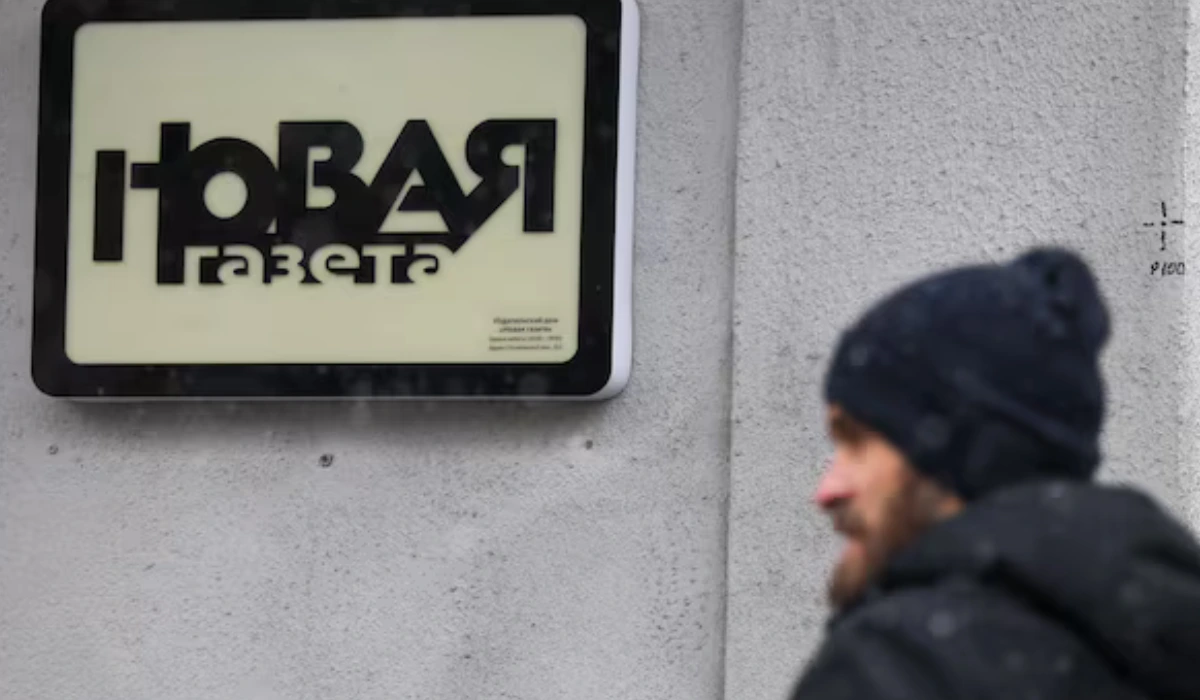
Moscow (Moscow News Daily) October 30, 2026 – Iconic independent Russian newspaper Novaya Gazeta announced on Friday that it is shutting down permanently following what its editorial team characterized as a relentless and coordinated pressure campaign by Russian state authorities. As reported by Reuters reporters covering Moscow, the publication confirmed that state prosecutors pursued its senior journalistic staff, evicted the team from its long-term editorial headquarters, and cut off its financial infrastructure. The closure brings an end to more than 30 years of critical, independent investigative reporting within the Russian Federation.
- Key Points
- What Led to the Permanent Closure of Novaya Gazeta in Russia?
- How Has Novaya Gazeta Operated Over Its 30-Year History?
- What Has Been the Official Response From the Kremlin Regarding Press Restrictions?
- Background of the Particular Development After the News
- How This Development Can Affect Russian Citizens, Journalists, and Foreign Observers
In an official public release detailing the decision, the news outlet confirmed the exact date its operations and digital servers will cease functioning. As reported by Reuters, Novaya Gazeta stated: “On November 9th, we will turn off the lights in the home where we have lived for 30 years, shut down our servers, and leave. The newspaper no longer exists. The Russian authorities and the Russian security services have forced our editorial team to cease its operations”.
The publication highlighted that systematic efforts to dismantle its operational apparatus left the editorial board with no viable avenue to continue producing news content. As reported by Reuters, the newspaper stated: “More than 30 years of our life shared with our country and its citizens will end, leaving us homeless, with no means of existence and under the constant threat of repression. We carried on as long as we could, but we were evicted from our home and our donations platform that allowed us to receive financial support from our readers has been shut down. We have been stripped of all our resources”.
While Russian authorities provided no immediate formal statement regarding the outlet’s announced closure, state officials have consistently maintained that tight legal oversight and regulatory sanctions against non-state media are required under current geopolitical conditions. As reported by Reuters, the Kremlin—which frequently accuses foreign intelligence agencies of attempting to stir up internal social discontent—has previously asserted that sweeping media restrictions and censorship are necessary while Russia remains engaged in what it frames as an existential conflict with Western nations over Ukraine.
What Led to the Permanent Closure of Novaya Gazeta in Russia?
The final operational closure of Novaya Gazeta follows years of escalating legal, financial, and administrative pressure from state law enforcement and media regulators. While non-state outlets faced persistent regulatory hurdles historically, political conditions intensified following Russia’s full-scale military invasion of Ukraine in February 2022.
Following the implementation of sweeping censorship legislation that established severe prison sentences for acts deemed by authorities to discredit the military or disseminate false information, independent newsrooms across Russia faced mounting legal exposure. State prosecutors progressively targeted Novaya Gazeta’s leadership, stripped its domestic print license, designated its operational entities under restrictive legal statuses, and eventually shut down the online crowdfunding channels that supplied the newsroom’s primary financial support.
How Has Novaya Gazeta Operated Over Its 30-Year History?
Founded in 1993 during the post-Soviet democratic transition, Novaya Gazeta built a global reputation for high-stakes investigative reporting, focusing extensively on state corruption, military abuses, electoral irregularities, and human rights violations. Co-founded with support from former Soviet leader Mikhail Gorbachev, who donated a portion of his Nobel Peace Prize winnings to establish the outlet, the paper stood as a prominent symbol of free press within the country.
However, the newspaper paid a heavy price for its uncompromising investigative stance. Over the course of three decades, six of its journalists and contributors were killed in connection with their professional work. Among the most prominent victims was investigative reporter Anna Politkovskaya, known for her detailed exposure of state violence and human rights violations during the Chechen conflicts, who was assassinated in the hallway of her Moscow apartment building in October 2006.
What Has Been the Official Response From the Kremlin Regarding Press Restrictions?
The Kremlin has systematically defended the legal measures enforced against non-state press agencies, framing regulatory restrictions as a matter of national security. Official spokespersons have repeatedly denied allegations of targeted political persecution against newsrooms, asserting instead that all media organizations operating within Russian territory must strictly adhere to statutory legislation.
In broader policy addresses, Russian executive officials have maintained that strict controls on public information channels are justified during times of international conflict. Kremlin authorities argue that Western intelligence networks actively utilize independent media platforms to wage informational warfare and destabilize domestic social cohesion, thereby necessitating stringent state oversight and regulatory enforcement.
Background of the Particular Development After the News
The shuttering of Novaya Gazeta marks the definitive conclusion of a multi-year effort by Russian law enforcement and judicial bodies to neutralize independent press operations within the country. In September 2022, a Moscow court formally revoked Novaya Gazeta’s print media license following applications by federal communications regulator Roskomnadzor. In response, part of the editorial staff relocated abroad to establish an exiled branch, Novaya Gazeta Europe, while a core team maintained a restricted digital presence and administrative office within Moscow.
In March 2024, Russian authorities designated Novaya Gazeta’s long-serving editor-in-chief, Sergei Sokolov, under administrative laws prohibiting the “discrediting” of the armed forces, fining him personally over published articles. Shortly thereafter, state security personnel conducted searches at the outlet’s Moscow premises. By mid-2026, state prosecutors intensified enforcement against remaining staff members inside the country, systematically disabling donation gateways, terminating tenancy agreements for their central office, and effectively criminalizing internal financial transactions required to keep local servers operational.
How This Development Can Affect Russian Citizens, Journalists, and Foreign Observers
The complete operational termination of Novaya Gazeta inside the Russian Federation is anticipated to produce significant long-term ramifications across the media and civic landscape:
1. For Independent Russian Journalists and Media Professionals
- Increased Exile and Migration: Remaining domestic journalists who previously contributed to non-state publications inside Russia will be forced to transition entirely to exiled media organizations based in European capitals, operating under heightened personal legal risks.
- Chilling Effect on Grassroots Reporting: The complete closure of the country’s oldest investigative newsroom reinforces a climate of self-censorship, discouraging younger writers from pursuing investigative reporting on public administration, defense, or human rights.
2. For the Domestic Russian Public
- Monopolization of Public Information: With the final domestic independent newsroom forced offline, Russian citizens relying on internal infrastructure will be exposed almost exclusively to state-sanctioned narratives broadcast via national television and moderated digital networks.
- Reduced Local Accountability: The absence of on-the-ground investigative reporters inside Russian regions will reduce public transparency surrounding local governmental corruption, corporate abuses, and regional judicial proceedings.
3. For Foreign Governments and Human Rights Monitoring Bodies
- Reliance on Exiled and Open-Source Intelligence: International diplomats, academic institutions, and human rights bodies will increasingly depend on open-source digital intelligence and exiled media networks to monitor internal political, economic, and social developments inside Russia.
- Escalated Diplomatic Sanctions: Human rights organizations and Western coalition partners are likely to cite the final shutdown of Novaya Gazeta as justification for expanding sanctions lists against officials involved in press censorship and civil society repression.